Certificates

Certificates

Why Use an Air Check Valve for Global Sourcing?

Global sourcing is changing how engineers specify an air check valve. Buyers now compare pressure ratings, sealing materials, test records, and delivery reliability across several regions. A low purchase price can become expensive after leakage, rework, or delayed commissioning.

The market supports this concern. Grand View Research’s 2024 industrial valves report identifies infrastructure, water treatment, energy, and process industries as major demand centers. The Research and Markets global valves outlook also highlights international supply chains and stricter performance expectations. These reports do not focus only on air check valves. However, their findings clearly affect this product category. Pneumatic systems need stable one-way flow, especially near compressors, receivers, dryers, and sensitive actuators.

Dr. Lev Nelik, a recognized pump and valve specialist, offers a useful warning: “A check valve is a system component, not an isolated purchase.” That principle matters during global sourcing. A valve may look suitable on a quotation sheet. Its spring response, cracking pressure, body alloy, and sealing compound may tell another story. Ask for material certificates, pressure-testing records, dimensional drawings, and traceability documents. Confirm compatibility with moisture, temperature, and lubricated air.

There is no perfect sourcing formula. That is the uncomfortable part. A familiar supplier can still miss a shipment. A new supplier can deliver excellent parts, but require closer inspection. Responsible buyers balance cost, technical evidence, supplier experience, and after-sales support. Choosing the right air check valve protects equipment, production time, and long-term operating confidence.

Why Use an Air Check Valve for Global Sourcing?

What Is an Air Check Valve and How Does It Work?

Why Use an Air Check Valve for Global Sourcing?

What Is an Air Check Valve and How Does It Work?

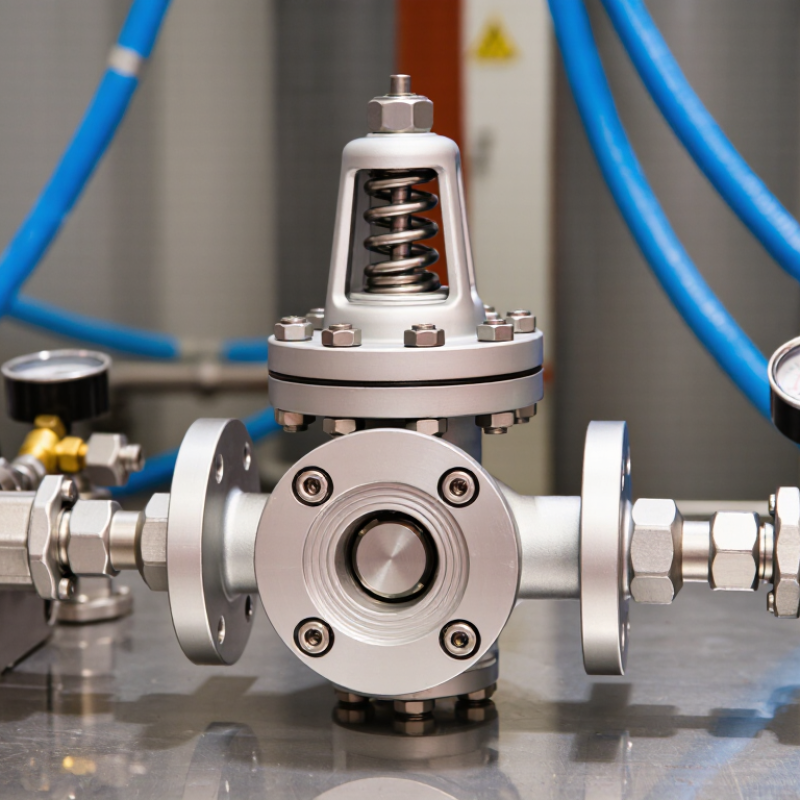
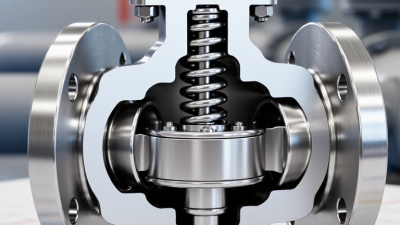
An air check valve controls compressed-air flow in one direction. It blocks reverse movement when pressure changes. Inside, a spring-loaded poppet or diaphragm responds to pressure differences. When inlet pressure exceeds the valve’s cracking pressure, the internal element lifts. Air then passes through the port. When pressure falls or reverses, the element closes against its seat. Simple mechanism. Reliable results.

In pneumatic equipment, this action protects compressors, actuators, and connected air circuits from backflow. It can also reduce pressure loss when correctly sized. However, valve performance depends on air quality, temperature, pressure, seal material, and installation direction. During sourcing, confirm the working pressure, cracking pressure, port size, thread standard, and tested leakage rate. A valve rated at room temperature may perform differently in colder conditions. That detail is easy to miss.

Tips: Request technical drawings, material certificates, inspection records, and sample testing before placing a global order. Check whether the valve suits filtered or lubricated air. Compare flow data, not only unit prices. A cheaper valve may create higher maintenance costs later. I would also verify packaging for long-distance transport, because damaged threads can delay installation. No sourcing plan is perfect; reviewing real operating conditions can expose assumptions before they become expensive problems.

Key Benefits of Air Check Valves in Global Sourcing

Why Use an Air Check Valve for Global Sourcing?

Air check valves support safer, more stable pneumatic systems across international supply chains. They permit airflow in one direction and block reverse flow. This simple action protects compressors, actuators, and sensitive control equipment. It also reduces pressure shocks during shutdowns or uneven demand.

The U.S. Department of Energy reports that compressed air can represent about 10% of industrial electricity use. Its technical guidance also notes that leaks may waste 20% to 30% of compressor output. A properly selected check valve cannot solve every efficiency problem. Still, it can limit backflow and support more consistent system pressure. Global buyers also benefit from standardized dimensions, documented materials, and repeatable pressure testing. ISO 4414 emphasizes safety and reliability in pneumatic systems. These requirements make clear specifications valuable during cross-border purchasing.

Tips: Request cracking-pressure data, flow ratings, material certificates, and test records. Check thread standards before ordering. Ask about replacement availability. Cheap valves can create expensive downtime. My practical concern is often overlooked: a valve may pass factory testing but fail after poor installation. Include installation instructions, inspection intervals, and sample-based incoming checks in the sourcing plan.

Why Use an Air Check Valve for Global Sourcing? - Key Benefits of Air Check Valves in Global Sourcing

Sourcing Dimension Without an Air Check Valve With an Air Check Valve Key Global-Sourcing Benefit Typical Technical Data
Prevention of reverse airflow Compressed air may flow back toward the compressor, receiver, or upstream equipment when pressure changes. The valve permits flow in one direction and automatically closes when downstream pressure exceeds upstream pressure. Supports consistent operation when equipment is sourced from different suppliers or installed in multiple countries. Flow direction: one-way; closing action is normally spring-assisted or pressure-assisted.
Equipment protection Backpressure can expose compressors, air dryers, actuators, and filters to operating conditions outside their intended flow direction. Restricts unwanted backflow and helps isolate upstream components during shutdown or pressure imbalance. Reduces integration risk when combining components manufactured to different specifications. Common installation locations include compressor outlets, receiver inlets, branch lines, and pneumatic circuits.
Pressure retention Stored air can escape toward an unpressurized section after the supply source stops. Helps retain pressure in the downstream section, subject to valve tightness and system leakage. Improves continuity during transport-line changes, maintenance, and staged system commissioning. Pressure retention depends on seat design, seal material, contamination level, and specified leakage class.
Pressure and temperature compatibility A mismatched component can create leakage, premature seal wear, or unsafe operation. The valve can be selected according to pressure rating, temperature range, medium, and connection standard. Makes technical comparison easier across international supplier quotations. Pneumatic check valves are commonly specified for compressed-air pressures up to approximately 10–16 bar, depending on design; temperature limits vary by seal material.
Flow efficiency An uncontrolled flow path may cause pressure fluctuations or unnecessary system losses. A correctly sized valve provides controlled one-way flow with a defined pressure drop. Enables objective supplier comparison using flow coefficient, port size, and pressure-drop data rather than price alone. Pressure drop is application-dependent; it should be checked at the required flow rate using the supplier's performance curve.
Installation flexibility Separate isolation or anti-return arrangements may be required, increasing piping complexity. Compact inline, angle, cartridge, and threaded configurations can be selected for different layouts. Simplifies adaptation to regional piping practices and available connection standards. Common connection options include threaded, push-in, flanged, and tube-end designs; port sizes often range from approximately 1/8 to 2 inches.
Material and media suitability Unsuitable materials may corrode or degrade when exposed to moisture, lubricated air, cleaning agents, or outdoor conditions. Material options can be matched to the application, such as brass, stainless steel, engineered polymer, NBR, EPDM, or FKM seals. Improves specification consistency across different climates, industries, and regulatory environments. Material selection should consider compressed-air quality, humidity, chemical exposure, and required temperature range.
Maintenance and replacement Backflow-related faults may be difficult to isolate within a distributed pneumatic system. A dedicated check valve provides a clear inspection and replacement point. Supports standardized spare-parts planning and reduces compatibility problems across sourcing regions. Maintenance intervals are application-specific; inspection should include leakage, cracking pressure, contamination, and seal condition.
Quality and compliance documentation Performance may be difficult to verify if the anti-return function is built into an undocumented assembly. The component can be sourced with defined specifications, drawings, material declarations, pressure tests, and traceability records. Creates a more transparent procurement process and makes incoming inspection easier. Useful purchasing documents include dimensional drawings, pressure rating, temperature rating, flow data, leakage criteria, and applicable conformity declarations.

Note: Technical ranges shown are typical industry reference values rather than universal limits. Final selection should be based on the valve’s datasheet, operating pressure, flow rate, temperature, air quality, connection standard, and applicable local requirements.

How to Choose the Right Air Check Valve for International Supply

Why Use an Air Check Valve for Global Sourcing?

How to Choose the Right Air Check Valve for International Supply

Choosing an air check valve for international supply starts with the working conditions, not the catalog photo. Confirm the air pressure, temperature, flow direction, and connection size. A valve rated for 10 bar may perform poorly if pressure spikes occur repeatedly. Measure the actual line, too.

Cracking pressure deserves careful attention. A valve that opens too late can restrict a small compressor. One that opens too easily may allow unwanted reverse flow. Select materials suited to moisture, oil mist, and the surrounding environment. Stainless steel, brass, and engineered polymers behave differently during transport and operation. Port threads must match regional standards, such as BSP or NPT. Small differences can stop installation.

Ask suppliers for dimensional drawings, pressure-test records, material details, and batch traceability. These documents make international inspection more reliable. Request samples before placing a large order. Test them at the real operating pressure, including start-up and shutdown conditions. Packaging also matters; loose valves can collect dust or suffer thread damage during long transit. Certification may support customs and customer requirements, but it should match the destination market.

A lower unit price is not always lower cost. Rework, delays, and incorrect fittings quickly change the calculation. Some specifications may still be unclear after review. That is normal, but ignoring them is not. Record every agreed detail in the purchase contract, including tolerances, inspection methods, and replacement procedures.

Why Use an Air Check Valve for Global Sourcing?

Air check valves prevent reverse flow, protect compressors and actuators, and support safer pneumatic system design. The chart shows an engineering-priority model for selecting valves in international supply projects.

Selection priorities should be verified against the application’s working pressure, temperature, air quality, connection standard, installation direction, leakage requirement, and applicable regional compliance requirements. Always confirm the final values with the supplier’s technical datasheet.

Quality, Compliance, and Supplier Evaluation Criteria

Why Use an Air Check Valve for Global Sourcing?

Quality, compliance, and supplier evaluation should guide every air check valve purchase. The valve may look simple, yet small design differences affect flow stability, sealing, and service life. A reliable supplier should provide clear drawings, material specifications, pressure ratings, and inspection records.

Ask for evidence, not promises.

Quality checks should match the application. Review body materials, spring performance, seal compatibility, cracking pressure, and leakage results. Sample testing can reveal problems hidden by attractive quotations. Request batch identification and traceability documents. These records help connect a valve to its production date, materials, and test results.

Compliance requirements vary by destination and industry. Suppliers should explain applicable standards and provide current declarations, test reports, and labeling details. Documents must match the actual valve configuration, not a similar model.

Production controls matter too. Evaluate calibration systems, incoming material checks, final inspections, and corrective-action procedures. A factory audit can show more than a polished catalog. Still, audits are only snapshots. No checklist is perfect.

Review communication speed, technical responses, packaging methods, and previous delivery performance. Late answers may indicate deeper coordination problems. Cost deserves attention, but an unusually low offer can hide weak testing or inconsistent materials.

A careful sourcing decision compares total risk, not only unit price.

Common Applications and Purchasing Considerations Worldwide

Air check valves support safer, more stable fluid and air systems by preventing reverse flow. In pump rooms, irrigation lines, compressors, and water treatment equipment, this small component can protect pumps from sudden backpressure. I have seen a poorly selected valve create noise, vibration, and repeated maintenance. The problem was not always valve quality. Sometimes, the cracking pressure did not match the system.

Common applications vary across regions. Buyers should confirm the medium, operating pressure, temperature, flow direction, and installation position. Material selection matters in humid coastal areas, cold warehouses, and facilities handling treated water. Thread standards also differ between markets. A valve that fits one pipe may require an adapter elsewhere. Before purchasing, request dimensional drawings, pressure test records, material information, and traceable inspection documents. These details strengthen supplier evaluation and reduce costly misunderstandings. Still, paperwork cannot replace a practical fit check.

Tips: Compare total landed cost, not only unit price. Include freight, customs handling, adapters, testing, and replacement stock. Ask suppliers about minimum order quantities and lead times. Keep several spare valves for critical equipment. Check seals after long storage, because aging may occur earlier than expected in warm conditions. One more useful step is sample testing under real flow conditions. It may reveal pressure loss or delayed closing that a catalog cannot show.