Top Toxic Gas Detector Solutions for 2026 What to Consider?
In the rapidly evolving realm of safety technology, the importance of reliable Toxic Gas Detectors cannot be overstated. As industries embrace new technologies, experts emphasize the need for advanced detection solutions. Dr. Emily Carter, a leading authority in chemical safety, once stated, "The right Toxic Gas Detector can save lives by providing early warning signs."
In 2026, the market for Toxic Gas Detectors is set to expand significantly. Businesses must consider factors such as sensitivity, response time, and ease of use. The right detector can make a considerable difference in emergency situations. Yet, with many options available, choosing the best solution can be daunting. Some detectors may lack necessary features, leading to potential oversights.
Investing in a quality Toxic Gas Detector entails understanding both risks and technology. Users must evaluate how detectors handle various gases and the environment in which they will operate. Reflection on these aspects is crucial, ensuring safety measures align with industry needs. Ultimately, an informed choice can mitigate hazard risks effectively.
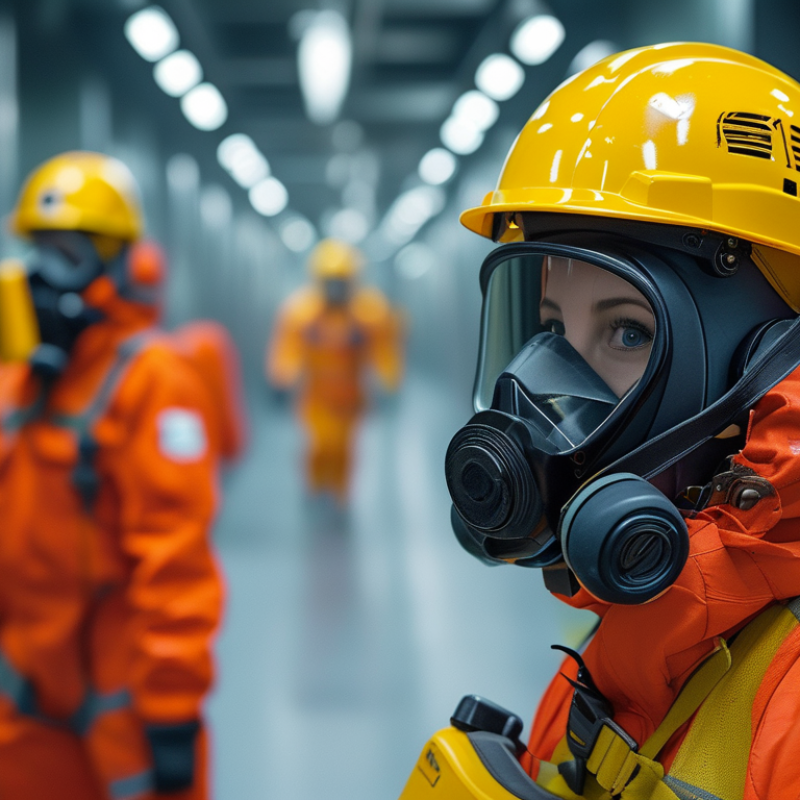
Key Factors to Consider When Choosing a Toxic Gas Detector
When choosing a toxic gas detector, several key factors demand attention. Understanding the gas types present in your environment is crucial. Different detectors cater to different toxic gases, such as carbon monoxide or sulfur dioxide. Knowing these specifics helps pinpoint the right device for safety.
Consider the detection range and sensitivity of the instrument. A reliable detector should promptly alert you to any dangerous levels. Choose a device that suspends false alarms; this prevents complacency while ensuring genuine threats are addressed. Regular calibration and maintenance are vital. Neglected devices may provide inaccurate readings, undermining safety efforts.
Tips for selection: Look for devices with visual and audible alarms. They ensure you notice despite surrounding noise. Battery life is another essential aspect; longer-lasting batteries increase reliability. Finally, examine user reviews for insights on real-world performance. This can highlight any shortcomings that need attention.
Top Toxic Gas Detector Solutions for 2026
Types of Toxic Gas Detectors Available in 2026
As industries evolve, choosing the right toxic gas detector becomes crucial. In 2026, diverse types of detectors will cater to varying needs. Portable gas detectors are perfect for fieldwork. They offer flexibility and ease of use. These devices typically measure multiple gas types, ensuring safety during hazardous tasks.
Fixed gas detectors provide continuous monitoring. They are vital for facilities with potential gas leaks. Many models integrate with alarm systems. This alerts personnel immediately, enhancing safety protocols. Advanced models even feature smart technology. This allows remote monitoring via mobile apps.
Another category is multi-gas detectors. These tackle various gases in one unit. They often include features like data logging and calibration alerts. However, users may find them complex. Understanding their capabilities is essential for effective use. Regular maintenance and calibration are also vital. This ensures accuracy and reliability in detection.
The Importance of Sensitivity and Response Time in Gas Detection
In gas detection, sensitivity and response time are crucial metrics. Sensitivity refers to the detector’s ability to identify low concentrations of toxic gases. A report by the Occupational Safety and Health Administration (OSHA) highlights that gases like carbon monoxide can be lethal at concentrations as low as 35 parts per million (ppm). Detecting such low levels demands a highly sensitive instrument.
Response time is also vital. This measures how quickly a detector can alert users to gas presence. A report from the National Institute for Occupational Safety and Health (NIOSH) indicates that a delayed response can lead to serious health risks. For instance, the average response time for professional-grade detectors should be less than 30 seconds. Delays can result in dangerous exposure to toxic environments.
Understanding these factors is essential for workplaces dealing with hazardous materials. A flaw in sensitivity could lead to missed detections. Slow response times can expose workers to prolonged risks. Thus, organizations must invest in equipment that meets stringent industry standards. Ensuring both sensitivity and rapid response are non-negotiable for effective gas detection solutions.
Top Toxic Gas Detector Solutions for 2026: What to Consider?
| Gas Type | Sensitivity (ppm) | Response Time (seconds) | Operational Temperature (°C) | Battery Life (hours) |
| Carbon Monoxide (CO) | 5 | 10 | -20 to 50 | 1000 |
| Hydrogen Sulfide (H2S) | 1 | 15 | -10 to 45 | 1200 |
| Ammonia (NH3) | 5 | 30 | -20 to 50 | 800 |
| Chlorine (Cl2) | 0.5 | 20 | -10 to 40 | 900 |
| Nitrogen Dioxide (NO2) | 1 | 15 | -20 to 50 | 1000 |
Future Technologies Shaping Toxic Gas Detection Solutions
As we look ahead to 2026, the landscape of toxic gas detection is evolving rapidly. Future technologies are enhancing how we identify and respond to hazardous gases. Innovative sensor technologies, for instance, are becoming smaller and more efficient. They are capable of detecting even trace amounts of dangerous gases in various environments. Advanced algorithms are helping to analyze data, providing real-time alerts to ensure swift action.
Tips: Always prioritize accuracy. Select detectors that offer calibration and maintenance support. Consider mobility—portable detectors can offer flexible monitoring solutions for various work sites.
The integration of artificial intelligence in gas detection systems is a game changer. AI can refine data analysis, improving prediction capabilities and reducing false alarms. Furthermore, smart sensors will likely be connected to a centralized network, enabling seamless communication between devices. This is crucial for timely responses in emergencies.
Tips: Regular training for personnel is essential. Ensure they understand new technologies. Keep communication lines open for swift decision-making. Investing time in user training can save lives.
Compliance Standards and Regulations for Gas Detectors in 2026
As we look toward 2026, the importance of compliance standards for gas detectors becomes increasingly critical. These regulations ensure that devices accurately identify toxic gases. Adhering to these standards can significantly enhance safety in industrial and commercial environments. They help in establishing protocols for maintenance, testing, and calibration. Each region may have specific requirements, and it’s vital to stay updated on these changes.
Consider the challenges in this evolving landscape. Standards may vary by country or industry. Misunderstanding these regulations can lead to non-compliance. Regular training for personnel is crucial. They must understand how to utilize gas detectors effectively. Documentation and thorough record-keeping are also essential. These measures not only ensure compliance but also build a culture of safety.
When selecting gas detectors, assess their compliance capabilities closely. Look for devices that are adaptable to various environments. Flexibility may matter more in the long run. This will mean fewer replacements and better long-term performance. Talk to experts and review industry reports. Knowledge is key in navigating compliance — and it’s best to seek accurate information.



 © Copyright 2020 Tianjin Tanghaidongyang Valve Co., Ltd. All Rights Reserved.