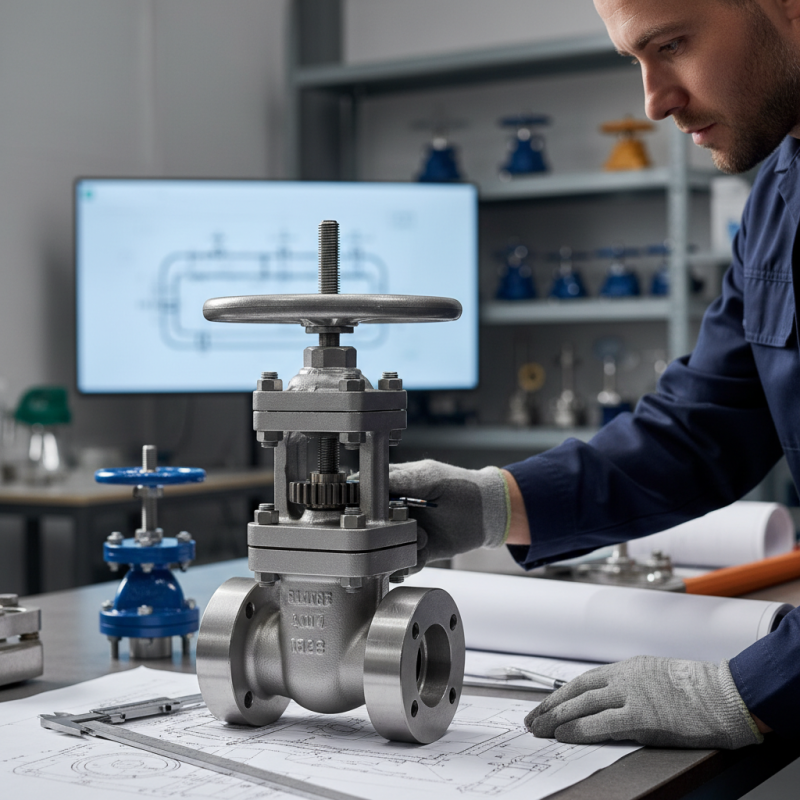
| 1. What is a gate valve? | A gate valve is a type of valve that opens by raising a gate or wedge out of the path of the fluid. | Regularly check for leaks and ensure proper sealing surfaces are clean. |
| 2. When should I use a gate valve? | Gate valves are best used for on/off services where the valve is either fully open or fully closed. | Avoid using as a throttling valve to prevent damage. |
| 3. How do I know what size gate valve to choose? | Select a size that matches the pipe diameter for optimal flow. | Measure the pipe before purchasing a valve. |
| 4. What materials are gate valves made from? | Common materials include brass, stainless steel, and cast iron. | Choose material based on the fluid being controlled. |
| 5. How do I maintain a gate valve? | Routine inspection and tightening of the packing nut can extend valve life. | Lubricate moving parts periodically. |
| 6. What causes gate valve failure? | Corrosive fluids, improper use, and mechanical wear can lead to failure. | Regularly check for signs of wear and replace as necessary. |
| 7. Can gate valves be used below ground? | Yes, but special care must be taken to ensure they are installed properly. | Ensure proper sealing and protection against moisture. |
| 8. How do I troubleshoot a leaking gate valve? | Inspect the packing and seals; replace them if worn or damaged. | Tighten the packing nut, but avoid over-tightening. |
| 9. Are there different types of gate valves? | Yes, types include slab gate, parallel slide, and wedge gate valves. | Select based on application requirements. |
| 10. What is the lifespan of a gate valve? | Typically, a gate valve can last between 10-50 years depending on usage and maintenance. | Perform routine inspections to extend their lifespan. |



 © Copyright 2020 Tianjin Tanghaidongyang Valve Co., Ltd. All Rights Reserved.