China Top Industrial Metal Detectors for Global Buyers Need?
In the ever-evolving industrial landscape, Industrial Metal Detectors play a crucial role in ensuring safety and quality. Reports indicate a significant increase in demand for these devices, driven by industries such as food processing and pharmaceuticals. According to a 2022 market study, the Industrial Metal Detector market is projected to reach over $2 billion by 2026, highlighting the growing importance of metal detection technology.
Manufacturers and global buyers need to prioritize reliable sources for these detectors. Industrial Metal Detectors not only enhance product safety but also protect machinery and maintain operational efficiency. As industries adopt more advanced technologies, there is an increasing reliance on precision detection methods. However, the challenge lies in ensuring that suppliers meet stringent quality standards and regulations.
Understanding the nuances of Industrial Metal Detectors is essential for making informed purchasing decisions. Buyers must consider factors such as sensitivity, detection speed, and compliance with industry regulations. As the market expands, reflecting on potential weaknesses in detector performance could lead to advancements in technology and better solutions for end-users.
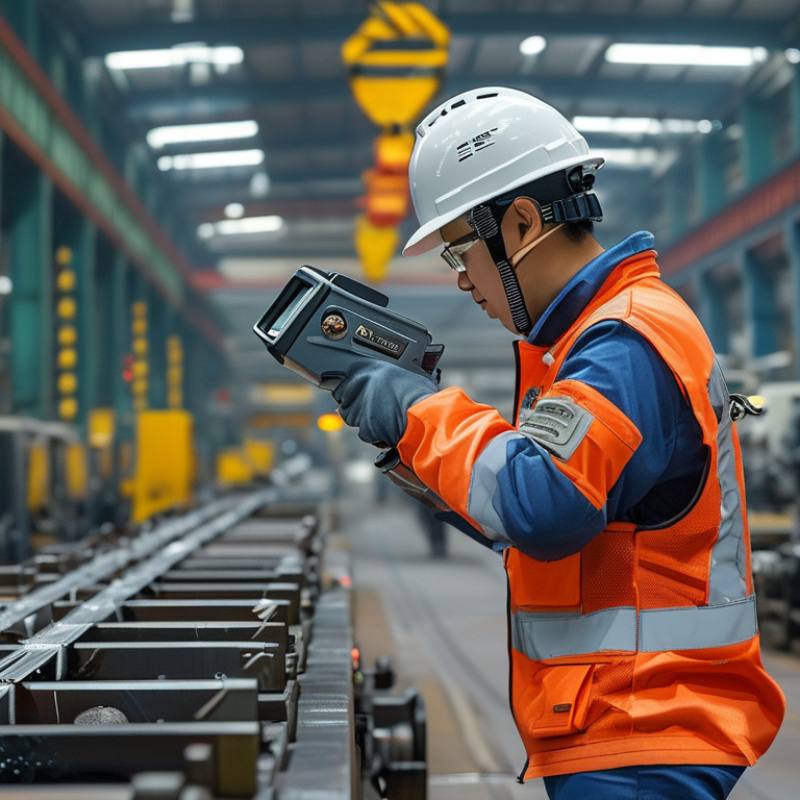
China's Leading Industrial Metal Detector Manufacturers
China is renowned for its industrial metal detectors, catering to a global audience. The country hosts several leading manufacturers that set standards in quality and technology. According to a recent industry report, the market for industrial metal detection in China has grown by 25% over the past year. This growth underscores the increasing demand for precision and safety in various sectors, including food and pharmaceuticals.
One key aspect of China's metal detector manufacturing is the focus on innovation. Many companies invest heavily in research and development, ensuring their products meet international safety standards. This commitment enhances their reputation and boosts consumer confidence. Additionally, reports indicate that emerging markets are showing a growing appetite for reliable detection technology, which provides an excellent opportunity for Chinese manufacturers.
Tip: When sourcing industrial metal detectors, assess the manufacturer's compliance with international standards. This can save time and reduce risks.
Despite advancements, challenges remain. Some manufacturers struggle with consistency in quality control. This inconsistency can lead to end-user dissatisfaction. Buyers should communicate directly with manufacturers to clarify specifications and quality measures before making decisions.
Tip: Ask for third-party certification to validate the product’s reliability. This step can help ensure that you receive the best value.
Key Features and Technologies in Chinese Metal Detectors
Metal detectors play a crucial role in various industries. Chinese manufacturers have pushed the boundaries of technology. Modern devices come equipped with advanced features, enhancing detection capabilities. The use of multi-frequency technology allows for precise identification of metals. This offers an advantage in detecting both ferrous and non-ferrous materials.
Ergonomics is another critical aspect of design. A lightweight design ensures prolonged use without fatigue. Adjustable settings allow for personalization, catering to different user needs. Some devices even come with data logging features, enabling users to track detection patterns over time. However, interfaces can be overwhelming for beginners, making usability a consideration.
Battery life is essential for fieldwork. Many models provide extended usage time, yet not all models perform equally. Charging options vary; some may lack quick charge capabilities. Regular calibration is necessary, and users often overlook this maintenance aspect. Understanding the technology behind a model is key, but the learning curve can be steep.
Market Trends for Industrial Metal Detectors Globally
The global market for industrial metal detectors is continually evolving. Factors driving this trend include increasing safety regulations and the need for quality assurance. Companies are more aware of the importance of detecting contaminants in products. This shift fosters demand across various industries, including food processing and pharmaceuticals. The emphasis on hygiene standards also plays a crucial role.
Emerging technologies contribute to market growth. AI integration and enhanced sensitivity are improving detection accuracy. Many manufacturers are exploring advanced materials and designs. However, challenges remain, such as high costs and the need for regular maintenance. Buyers must consider these factors in their purchasing decisions. Despite the advancements, some users report mixed experiences with existing models.
The market also witnesses a growing focus on sustainability. Eco-friendly practices are becoming central to the industry. Companies are urged to adopt greener manufacturing processes. This is still an area needing improvement. As the industry progresses, the balance between innovation and sustainability is worth contemplating. Global buyers must stay informed about technologies and trends to make wise investments.
Export Opportunities for Chinese Metal Detectors
The demand for high-quality metal detectors is growing across global markets. China stands out as a leader in producing these advanced devices. This rise offers significant export opportunities for local manufacturers. Many industries rely on metal detectors for quality control and safety, making these devices crucial.
Chinese metal detectors are known for affordability and innovation. They cater to various sectors, including food production and recycling. However, exporters face challenges. Understanding international standards is vital for success. Companies must adapt to different regulations and consumer preferences to thrive.
Moreover, building trust with global buyers is essential. Clear communication about product reliability and support services can help overcome initial skepticism. As the market evolves, staying updated with technological advancements is necessary. This commitment can enhance reputation and expand reach. Balancing quality and cost remains key for long-term success in export markets.
China Top Industrial Metal Detectors for Global Buyers Need
| Detector Type | Detection Depth (mm) | Sensitivity Level | Application Industry | Export Regions |
| Handheld Metal Detector | 200 | High | Security and Safety | North America, Europe, Asia |
| Industrial Metal Detector | 300 | Medium | Food and Beverage | Europe, Australia, Middle East |
| Conveyor Belt Metal Detector | 500 | High | Manufacturing and Recycling | Global |
| Underwater Metal Detector | 250 | Low | Marine Exploration | North America, South America |
| Metal Detector for Plastic Industry | 150 | Medium | Plastic Manufacturing | Asia, Europe |
Comparative Analysis of Chinese vs. Global Metal Detector Brands
When examining metal detectors, it's crucial to consider the differences between Chinese and global brands. Chinese manufacturers have gained recognition for their cost-effective solutions. They often offer a range of products suitable for different industries, from construction to treasure hunting. However, some models may compromise on durability compared to their global counterparts. This raises questions about reliability in critical applications.
In contrast, well-established global brands focus on high-quality engineering and advanced technology. These detectors usually have better sensitivity and discrimination capabilities. Yet, they often come with a higher price tag. Buyers may find that they are paying for not just the product but also the brand's reputation. It’s important to weigh these factors carefully.
User reviews can provide insight into real-world performance. Some customers find that budget-friendly Chinese detectors work perfectly for their needs. Others, however, encounter issues relating to performance and support. Understanding the nuances between these options is essential. This differentiation can ultimately guide buyers in making informed decisions, ensuring they choose the right detector for their specific requirements.
Comparison of Metal Detector Sensitivity Levels



 © Copyright 2020 Tianjin Tanghaidongyang Valve Co., Ltd. All Rights Reserved.