| Product Type | Steering idler arm for vehicles using a conventional linkage system; common designs use a frame-mounted pivot with a bushing or ball-joint connection. | Confirm whether the part is an idler arm, pitman arm, center link, or complete steering linkage assembly. | Technical drawing, product photograph, OE reference number, and vehicle application list. | Critical |
| Vehicle Fitment | Fitment should be matched by vehicle make, model, model year, engine, drive type, and steering configuration. | Check left-hand-drive or right-hand-drive requirements and whether the vehicle uses two-wheel drive or four-wheel drive. | VIN-based verification, catalog cross-reference, or dimensional comparison with the original part. | Critical |
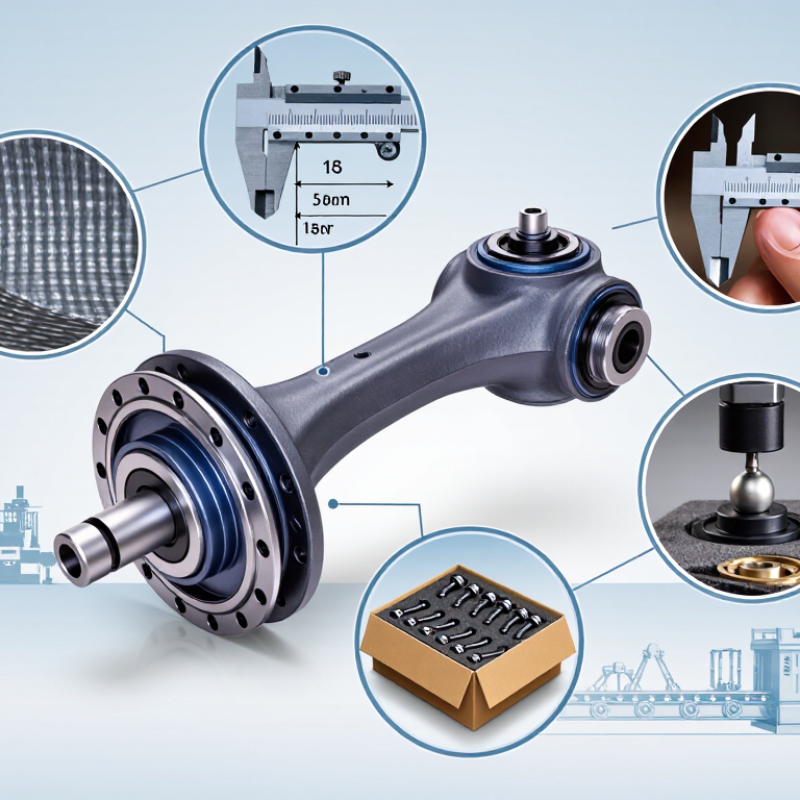
| Mounting Geometry | Key dimensions include pivot-center spacing, mounting-hole diameter, stud taper, arm angle, and overall length. | Require tolerance information for all dimensions that affect steering alignment and installation. | 2D drawing with tolerances, inspection report, and sample approval record. | Critical |
| Body Material | Common production materials include forged or cast steel, depending on the design and load requirements. | Confirm material grade, heat-treatment process, hardness range, and traceability of raw material. | Material certificate, heat-treatment record, and batch traceability document. | High |
| Ball Stud Material | Ball studs are generally manufactured from hardened alloy steel or other specified automotive-grade steel. | Confirm surface hardness, core hardness, dimensional accuracy, and resistance to wear. | Hardness test report, dimensional inspection report, and metallurgical certificate when required. | High |
| Bushing or Joint Design | Available configurations may include rubber bushings, polymer bushings, or sealed ball joints. | Check rubber or polymer compound, sealing design, grease retention, articulation angle, and operating temperature range. | Construction specification, supplier drawing, durability test results, and sample inspection. | High |
| Corrosion Protection | Typical protection methods include zinc-based plating, phosphate treatment, painted surfaces, or other specified coatings. | Confirm coating type, thickness, appearance requirements, and corrosion-test method. | Coating certificate, salt-spray test report, and packaging inspection photographs. | Medium |
| Quality Inspection | Important checks include dimensional inspection, articulation torque, pull-out strength, hardness, surface defects, and assembly integrity. | Agree on sampling standards, defect classification, critical dimensions, and acceptance criteria before production. | Approved quality-control plan, pre-shipment inspection report, and retained samples. | Critical |
| Minimum Order Quantity | MOQ varies by design, tooling requirement, packaging method, and whether the item is already in production. | Ask for separate quantities for sample orders, standard production orders, and custom development. | Written quotation showing MOQ, sample cost, tooling cost, and price breaks. | High |
| Sample Process | A production sample should be checked before bulk manufacturing, especially for steering and suspension components. | Confirm sample lead time, sample quantity, revision control, and whether the sample uses final production materials. | Sample approval form, signed drawing, inspection checklist, and comparison measurements. | Critical |
| Production Lead Time | Lead time depends on tooling, raw-material availability, order volume, inspection requirements, and export packaging. | Request separate timelines for tooling, samples, mass production, and final inspection. | Purchase contract with milestone dates and a written delay-notification procedure. | High |
| Packaging | Typical export packaging includes individual protection, labeled inner boxes, carton packing, and palletization when required. | Confirm corrosion prevention, barcode or part-number labeling, carton strength, and quantity per carton. | Packaging specification, carton marking artwork, and pre-shipment packaging photographs. | Medium |
| Supplier Verification | Suppliers should be verified for legal registration, manufacturing capability, quality systems, and export experience. | Distinguish a factory from a trading company and confirm which processes are outsourced. | Business license, factory audit, production-line photographs, quality certificates, and customer references. | Critical |
| Compliance Documentation | Documents may include material certificates, inspection reports, declarations, and market-specific product information. | Identify the legal and technical requirements of the destination market before placing the order. | Document checklist included in the purchase agreement and final shipping package. | High |
| Shipping Terms | Common international trade terms include EXW, FOB, CIF, and DDP, subject to the agreed destination and responsibilities. | Compare product price, inland transport, export handling, freight, insurance, duties, and delivery responsibility. | Itemized quotation showing Incoterm, port or destination, freight validity, and insurance responsibility. | Medium |
| Warranty and Claims | Warranty terms should define the coverage period, eligible defects, evidence requirements, and replacement or credit procedure. | Clarify exclusions for incorrect installation, vehicle modification, misuse, and normal wear. | Signed warranty clause, claim-response timeline, corrective-action process, and replacement policy. | High |


 © Copyright 2020 Tianjin Tanghaidongyang Valve Co., Ltd. All Rights Reserved.