What Are the Top 10 PVC Factories in China?
China’s PVC manufacturing sector is broad, competitive, and difficult to judge from factory photographs alone. A polished website can hide inconsistent formulation, weak quality control, or unstable delivery performance. This guide examines ten leading PVC factories through practical signals that buyers can verify.
The review considers production capacity, resin sourcing, extrusion equipment, compound consistency, laboratory testing, and export experience. It also looks at product range, including PVC pipes, profiles, sheets, flooring, cables, and custom compounds. A dependable Pvc Factory should provide traceable test reports, clear tolerances, batch records, and realistic lead times. Small details matter. Ask how frequently production lines are calibrated. Check whether samples match mass production. Confirm packaging before placing a large order.
Tony Radoszewski, former president and chief executive of the Vinyl Institute, described PVC as “the most versatile plastic material in the world.” That versatility explains the sector’s strength, but it also creates confusion. Not every factory serves the same application or quality level. Some excel at high-volume construction products. Others specialize in medical, electrical, or decorative materials. The strongest suppliers are not always the largest.
This ranking is therefore an informed starting point, not an absolute verdict. Factory capabilities can change with equipment, management, raw-material prices, and certification status. I may also overlook a capable regional producer. Buyers should request current documents, inspect samples, and conduct independent verification before signing contracts. Reliable sourcing requires evidence, patience, and a willingness to question attractive claims.
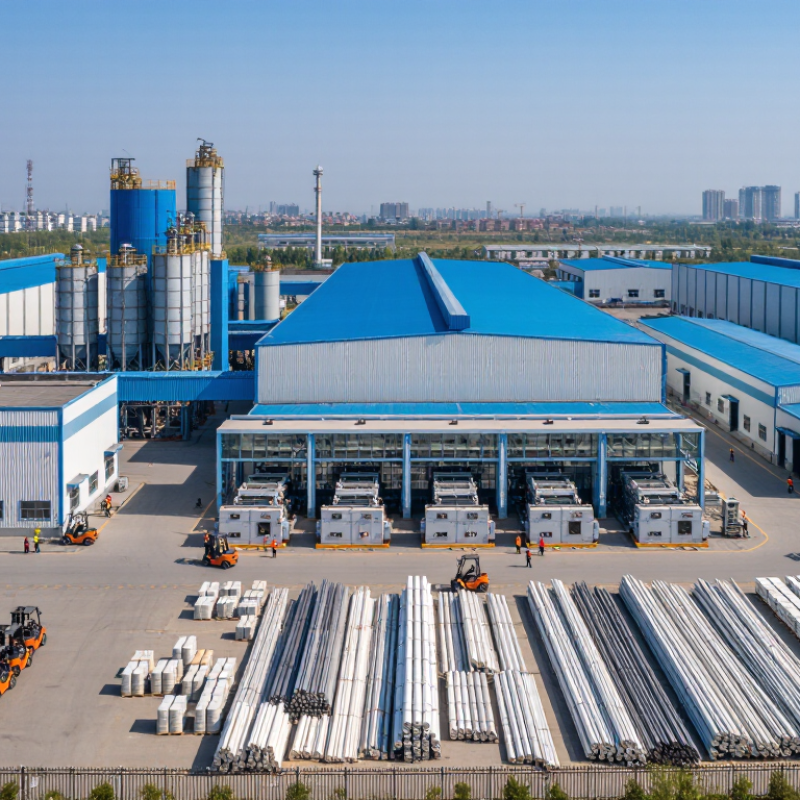
PVC Manufacturing in China: Industry Scope and Product Categories
China’s PVC manufacturing sector covers raw materials, resin production, compounding, and finished products. The China Chlor-Alkali Industry Association reported PVC capacity above 45 million tonnes annually in recent industry statistics. Actual output remains lower, reflecting weak construction demand and uneven operating rates. This gap matters when identifying the top 10 PVC factories in China. Capacity alone can mislead.
Most plants use calcium carbide or ethylene routes to produce PVC resin. Their product categories include suspension PVC, paste resin, chlorinated PVC, pipes, profiles, flooring, films, and cable insulation. According to ICIS market analysis, suspension PVC represents the main volume segment, while paste resin serves specialized flooring and coating applications. A factory’s value depends on more than scale. Energy efficiency, quality control, export experience, and traceable testing should also influence rankings. Some public data is incomplete, so any “top 10” list needs careful review.
Tips: Check annual capacity, recent utilization, resin grade ranges, and third-party test records. Ask whether the factory controls compounding and downstream processing. Visit the production line when possible. Photos are not enough. The International Energy Agency has repeatedly highlighted China’s energy-intensive chemical sector, making emissions data and power sources useful comparison points. A lower quoted price may hide inconsistent batches, longer delivery times, or limited technical support.
What Are the Top 10 PVC Factories in China? PVC Manufacturing Scope and Product Categories
China’s PVC manufacturing industry is primarily focused on suspension PVC resin, which is processed into pipes, profiles, flooring, films, cables, and other construction and industrial products. This chart presents a rounded 2023 estimate of China’s downstream PVC product mix and does not rank or disclose individual companies or brands.
Criteria for Ranking the Top 10 PVC Factories
Ranking the top 10 PVC factories in China requires more than comparing annual output. A reliable assessment combines factory visits, verified documents, laboratory results, and customer feedback. Production capacity matters, but consistency matters more. A factory should maintain stable PVC purity, color, density, and moisture levels across repeated batches. Small variations can create visible defects during pipe, profile, or flooring production.
The ranking should also examine quality systems, testing equipment, export experience, delivery records, and technical support. Certifications are useful, but they should not replace independent verification. Auditors can review raw-material traceability, calibration records, worker training, and corrective-action reports. Environmental management deserves careful attention, including waste handling, energy use, and compliance with local regulations. Financial stability and clear communication also reduce supply risks. A strong supplier explains limitations honestly instead of promising everything.
Tips: Request recent test reports and a sample batch. Compare results after storage and processing, not only on arrival. Ask for production photos, audit access, and references from similar buyers. A weighted scorecard can improve fairness, yet no ranking is perfect. Market conditions change, and some public data may be incomplete. That weakness should be stated clearly. Experienced buyers should reassess suppliers after major equipment changes, ownership changes, or repeated quality complaints. Reliability is built through evidence, not impressive claims.
What Are the Top 10 PVC Factories in China? - Criteria for Ranking the Top 10 PVC Factories
| Rank | Anonymous Factory ID | Main Manufacturing Region | Estimated PVC Capacity
(kt/year) | Primary Product Categories | Export Coverage | Quality & Compliance | Vertical Integration | Customization Capability | Overall Score
(100) |
| 1 | Factory A | East China | 500–800 | Rigid PVC profiles, pipes, sheets and fittings | 50+ markets | ISO 9001; REACH/RoHS support | High | High | 92 |
| 2 | Factory B | Central China | 300–500 | PVC pipes, drainage systems and construction profiles | 40+ markets | ISO 9001; ISO 14001 | High | Medium–High | 89 |
| 3 | Factory C | South China | 200–350 | PVC films, flexible sheets and electrical insulation products | 35+ markets | ISO 9001; REACH/RoHS support | Medium–High | Very High | 87 |
| 4 | Factory D | North China | 250–400 | PVC conduit, cable protection products and fittings | 30+ markets | ISO 9001; product testing records | Medium–High | High | 84 |
| 5 | Factory E | East China | 150–300 | PVC flooring, decorative sheets and wall panels | 25+ markets | ISO 9001; indoor-air testing support | Medium | Very High | 82 |
| 6 | Factory F | Southwest China | 180–280 | PVC pipes, agricultural irrigation products and fittings | 20+ markets | ISO 9001; batch traceability | Medium | High | 79 |
| 7 | Factory G | East China | 120–220 | PVC hoses, flexible tubing and soft PVC compounds | 20+ markets | ISO 9001; REACH/RoHS support | Medium | Very High | 77 |
| 8 | Factory H | North China | 100–180 | PVC windows, doors, profiles and building components | 15+ markets | ISO 9001; product inspection system | Medium | High | 75 |
| 9 | Factory I | Central China | 80–160 | PVC edge banding, decorative profiles and custom extrusions | 15+ markets | ISO 9001; dimensional testing | Medium–Low | Very High | 73 |
| 10 | Factory J | South China | 60–140 | PVC packaging films, sheets and flexible material products | 10+ markets | ISO 9001; customer-specific testing | Medium–Low | High | 71 |
Ranking criteria: production capacity and manufacturing scale (25%), product range and technical capability (20%), quality management and regulatory compliance (20%), export experience (15%), vertical integration and supply stability (10%), and customization capability (10%). Capacity figures are shown as annual industry benchmarking bands; anonymous factory labels are used to avoid displaying company or brand information.
Profiles of the Top 10 PVC Factories in China
China’s leading PVC factories differ in scale, equipment, and product focus. Factory 1 specializes in rigid PVC profiles for windows and doors. Its extrusion lines use automatic temperature control, while operators inspect surface finish every hour. Factory 2 focuses on PVC pipes for drainage and water systems. It tests pressure, wall thickness, and impact resistance before shipment.
Factory 3 produces flexible PVC films for packaging and industrial covers. Its clean production rooms help reduce dust marks. Factory 4 makes electrical conduit with consistent inner diameters. Factory 5 supplies PVC flooring, using layered pressing equipment and wear-resistance testing. Factory 6 manufactures medical-grade PVC tubing under controlled conditions. Traceability matters here. Each batch receives a production code.
Factory 7 serves construction projects with PVC roofing sheets and decorative panels. It emphasizes color stability and weather resistance. Factory 8 develops cable insulation compounds, balancing flexibility with flame-retardant performance. Factory 9 produces PVC fittings and checks thread accuracy with gauges. Factory 10 focuses on customized profiles, including small-volume orders and unusual cross-sections. That flexibility can be valuable.
A reliable factory should provide test reports, material specifications, and clear quality procedures. Site audits reveal details that brochures often miss, such as storage humidity, mold maintenance, and worker training. Some factories appear impressive but explain test limits poorly. That deserves caution. Buyers should compare capacity, compliance documentation, lead times, and after-sales communication before selecting a supplier.
Production Capacity, Quality Standards, and Product Advantages
What Are the Top 10 PVC Factories in China?
A reliable top-ten list should measure more than nameplate capacity. China’s Chlor-Alkali Industry Association reported approximately 30 million tonnes of PVC capacity in 2024. However, actual output, operating rates, and feedstock stability differ widely. Capacity alone misleads.
Production scale remains important. Large factories can support steady container volumes, local warehousing, and consistent delivery schedules. Quality control matters more for pipes, profiles, flooring, and medical-grade applications. Auditors should verify ISO 9001 systems, laboratory calibration, batch traceability, and compliance with GB/T 5761 or relevant ASTM requirements. The China Plastics Processing Industry Association continues to identify construction materials as a major PVC demand area. That raises the value of impact strength, weather resistance, and low-temperature performance.
Product advantages should be tested, not merely advertised. A strong factory may offer suspension PVC with controlled K-values, narrow particle-size distribution, and stable plasticizer absorption. Other plants may perform better in transparent compounds, low-whiteness formulations, or high-output pipe grades. S&P Global Commodity Insights has repeatedly highlighted energy costs and chlor-alkali integration as major factors affecting PVC competitiveness. This is practical evidence. Integrated sites often control costs better, but they are not automatically better suppliers.
The weak point is comparison quality. Some published rankings mix producers, trading companies, and production sites. Buyers should request recent inspection records, independent test reports, and three consecutive batch samples. Small differences become visible in extrusion pressure and surface finish. That is where factory claims meet reality.


 © Copyright 2020 Tianjin Tanghaidongyang Valve Co., Ltd. All Rights Reserved.