Define Part Requirements, Performance Standards, and Production Volumes
Sourcing quality metal parts in 2026 starts with a precise definition, not a supplier shortlist. Before requesting quotes, document the alloy or grade, dimensions, tolerances, surface finish, heat treatment, and inspection points. Add a drawing revision, three-dimensional model, and photographs of critical features. If a hole must accept a specific fastener, state its fit and gauge method. Vague terms like “high strength” create expensive interpretation gaps.
In one project, our team focused on price before clarifying flatness. The first batch met the drawing but failed assembly. That mistake still shapes our reviews.
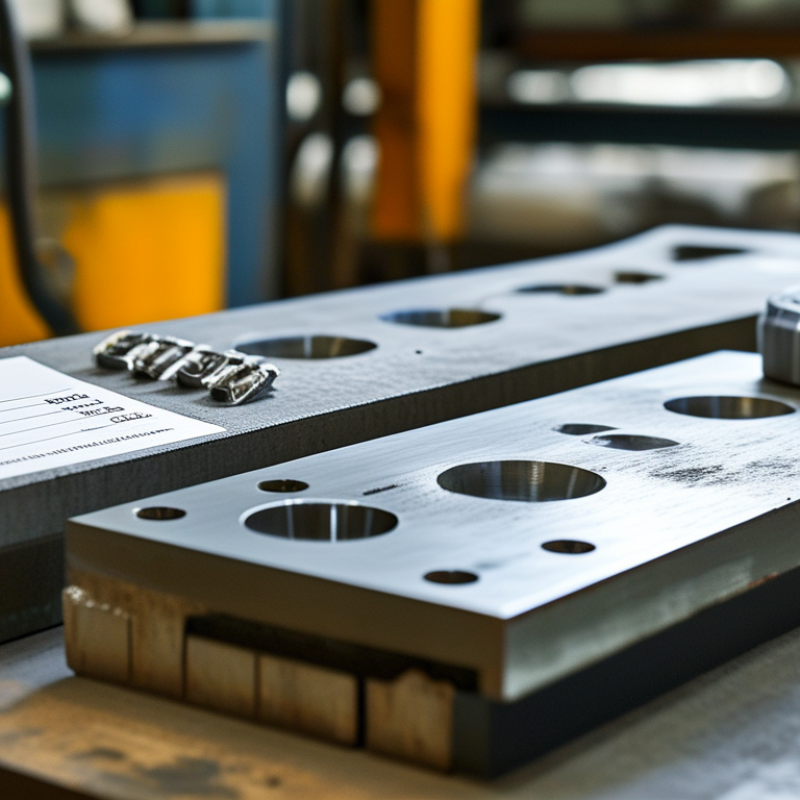
Performance standards should connect material data with real service conditions. Specify tensile strength, hardness, corrosion exposure, operating temperature, fatigue expectations, and allowable variation. Ask for material certificates, dimensional reports, coating thickness results, and traceable lot records. A recognized test method matters. “Tested” alone proves little. For safety-critical or heavily loaded parts, require sample approval and a documented first-article inspection.
Small pilot runs help. They expose burrs, distortion, tool marks, and packaging weaknesses while changes remain affordable.
Define production volume by phase, not one annual estimate. Separate prototype quantity, pilot demand, monthly consumption, and peak orders. This helps manufacturers choose machining, forming, casting, or fabrication methods realistically. Include forecast flexibility and acceptable lead-time variation. A low-volume part may need different tooling economics than 50,000 repeat pieces. Be honest about uncertainty. False precision distorts quotes and capacity plans. Recheck requirements after field testing; the original specification may be technically correct yet operationally wrong.


 © Copyright 2020 Tianjin Tanghaidongyang Valve Co., Ltd. All Rights Reserved.