How to Choose the Best Massage Table in 2026?
Your table should fit your treatment style, workspace, and realistic budget. Start with practice needs, not showroom appearance. A mobile therapist may value a lightweight folding table, while a busy clinic may need a sturdy electric model. Measure your room, doorway, and vehicle before purchasing. Small oversights can become expensive problems.
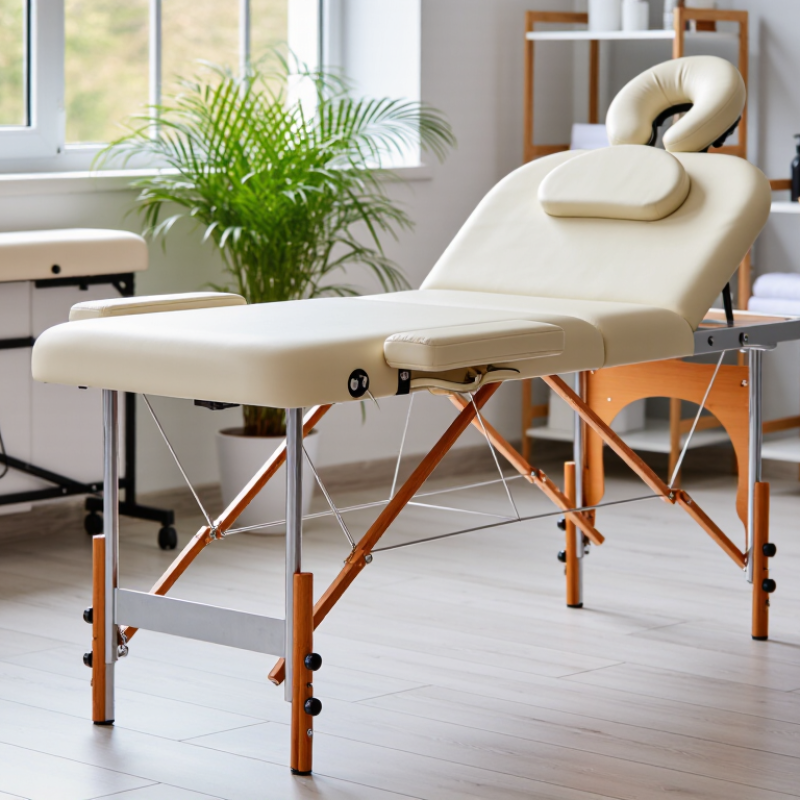
For regular sessions, prioritize a stable frame, adjustable height, and supportive cushioning. A table around 70–75 centimeters wide can offer comfort without limiting movement. Dense foam usually keeps its shape longer, especially under daily use. Check the table’s working-weight rating, not only its advertised size. Ask whether the adjustment system feels smooth and quiet. Test it with a client if possible.
Budget planning should include face cradles, bolsters, sheets, repairs, and delivery costs. A low price can hide weak hinges or thin upholstery. Still, the most expensive option may exceed your actual needs. In practice, many therapists benefit more from reliable height control than decorative extras. Keep a small reserve for maintenance. It matters.
Think about cleaning, storage, and staff use. Wipe the surface after each session, and inspect seams regularly. If several practitioners share the table, choose controls that are simple to understand. I would question any purchase made from specifications alone. Comfort can feel different after four hours of work. One short test may not reveal pressure points, awkward lifting, or unstable legs.



 © Copyright 2020 Tianjin Tanghaidongyang Valve Co., Ltd. All Rights Reserved.