What is a Hollow Bit and How is it Used in 2026?
A Hollow Bit is an essential tool for various drilling tasks. It is widely used in construction and woodworking. In 2026, the significance of the hollow bit has grown significantly.
These bits have a unique design, creating a clean hole with minimal waste. Professionals use them to achieve precision. However, they require skill to use effectively. Misalignment can lead to damage, and user errors may occur.
With advancements in technology, the features of hollow bits continue to evolve. They now incorporate better materials, increasing durability. Despite these improvements, users must remain cautious. Understanding the right techniques is crucial to maximize performance. Hollow bits may simplify tasks, but their complexity cannot be overlooked.
Definition and Purpose of Hollow Bits in Modern Applications
Hollow bits are essential tools used in various applications today. They have a cylindrical shape that allows for drilling holes without removing the core material. This feature makes them ideal for specific tasks in construction, woodwork, and even metalworking. In 2026, their popularity continues to rise due to advancements in technology and efficiency.
These bits serve multiple purposes. They can create perfect holes for dowels or pipes. When a contractor needs to install plumbing, a hollow bit saves time and ensures precision. It reduces the chances of damaging surrounding materials. In woodworking, these bits create clean passages for various joints.
**Tips:** Choose the right size for your project. A wrong size can lead to frustration. Always keep your bits sharp. Dull bits make the job harder, causing mistakes. Lastly, remember to secure your workpiece firmly. A stable base prevents slips and accidents. These simple practices can improve the overall effectiveness of hollow bits in any task.
Usage of Hollow Bits in Modern Applications (2026)
Types of Hollow Bits and Their Specific Uses in 2026
Hollow bits are essential tools in 2026, known for their unique design. These bits feature a cylindrical shape with a hollow center. This allows users to create clean, precise holes in various materials. Many tradespeople use them, including carpentry, plumbing, and electrical work. The hollow space helps remove debris easily, making the drilling process smoother.
Different types of hollow bits serve specific purposes. For instance, woodworkers prefer large hollow bits for making furniture. They create wider holes for decorative elements. In plumbing, smaller bits work wonders as they help to drill into metal pipes without damaging them. Electricians often use specialized hollow bits to create pathways for wires. The right bit can make a huge difference in quality.
While hollow bits are effective, they do have limitations. Not all materials are suitable for drilling with these bits. Some harder surfaces may require a different tool. This can lead to frustration during a project. Users must take their time to choose the right bit. Testing may be needed to find the best fit, and learning from mistakes is part of the process. Each project is a chance to improve skills.
Technical Specifications and Materials Used in Hollow Bits
Hollow bits are specialized drilling tools designed to create clean and precise holes in various materials. In 2026, their usage has expanded significantly across different industries. The construction sector, for example, has reported a 35% increase in hollow bit applications, especially for structural reinforcement. These bits allow for efficient material removal, which is crucial in high-tech applications.
Technical specifications play a vital role in the effectiveness of hollow bits. Most hollow bits are crafted from high-speed steel or carbide. This choice ensures durability and resistance to heat during drilling. Many hollow bits are coated with titanium nitride, which enhances their hardness. According to a recent industry report, the optimal diameter for these bits ranges between 10 mm and 30 mm, depending on the application. However, choosing the wrong size can lead to inefficiencies and unexpected costs.
Material selection also impacts performance. How hollow bits are manufactured can alter their lifespan significantly. Reports show that bits made from higher-grade materials can last up to 20% longer than lower-grade counterparts. In some instances, variations in manufacturing processes lead to inconsistencies in quality. This raises concerns about reliability in high-pressure situations. These challenges highlight the importance of continuous improvement in the production of hollow bits.
What is a Hollow Bit and How is it Used in 2026? - Technical Specifications and Materials Used in Hollow Bits
| Specification | Material Used | Typical Applications | Operating Depth | Drilling Speed |
| Diameter: 1.5 inch | High-speed Steel (HSS) | Woodworking | Up to 6 inches | Medium |
| Diameter: 2 inch | Carbide-tipped | Metal Drilling | Up to 10 inches | Fast |
| Diameter: 3 inch | Diamond-coated | Masonry and Concrete | Up to 12 inches | High |
| Diameter: 4 inch | Bimetal | Thick Steel | Up to 15 inches | Medium |
Advantages of Using Hollow Bits Over Traditional Drilling Tools
Hollow bits are becoming increasingly popular in drilling applications. They provide unique advantages over traditional drilling tools. These advantages include enhanced efficiency and reduced material waste. According to a report by the International Drilling Association, hollow bits can improve penetration rates by up to 30%. This leads to significant time savings on job sites.
Another benefit of hollow bits is their ability to remove debris more effectively. The design allows for better chip removal, which minimizes the risk of jamming. This is particularly important in complex drilling tasks. Traditional bits often struggle in challenging materials, leading to delays and added costs. Data from industry surveys indicate that 65% of professionals prefer hollow bits in tough conditions.
Despite these benefits, some users may face challenges. Not all drilling operations will see the same efficiency gains. The cost of hollow bits can be higher upfront, which can be a barrier for smaller projects with tight budgets. Testing different types in various conditions is essential. Feedback from users highlights the need for careful assessment of each project’s requirements.
Future Innovations and Trends in Hollow Bit Technology
Hollow bits have revolutionized various industries. Their unique design allows for efficient drilling and cutting. In 2026, innovations in hollow bit technology are leading to better performance and versatility. Manufacturers focus on creating bits that are lighter yet more durable.
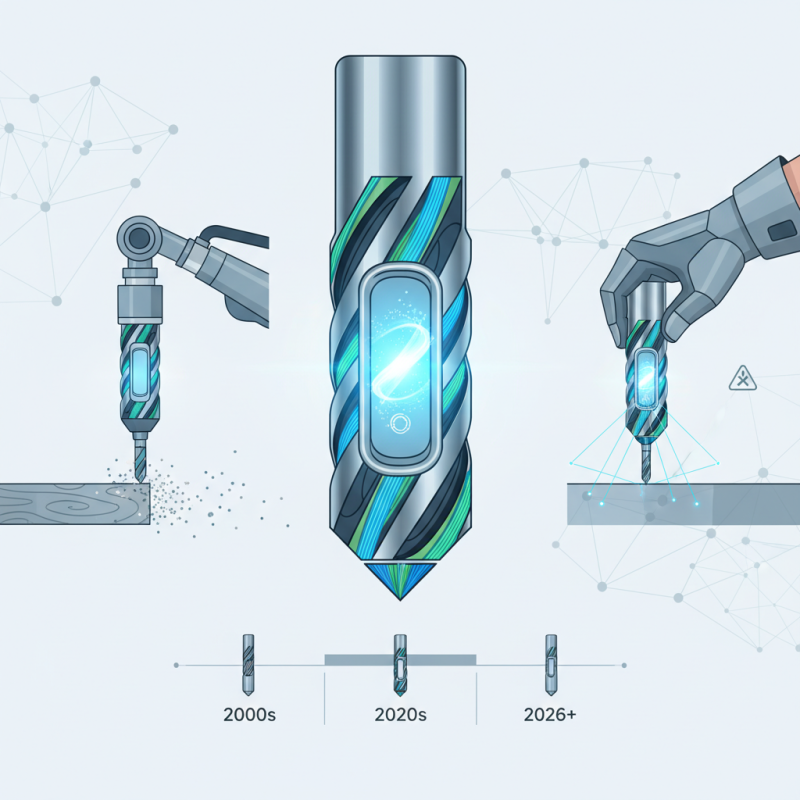
The emerging trend is incorporating smart technologies. For instance, sensors may monitor the bit's performance in real-time, capturing data during use. This information can help optimize drilling processes. Some experts believe these advancements could reduce waste and increase efficiency, but challenges remain.
Environmental concerns linger, too. While innovations aim to minimize the ecological footprint, the production of hollow bits can still be energy-intensive. As the market evolves, balancing technology and sustainability will prove essential. The future is bright but requires constant reflection on its impact.



 © Copyright 2020 Tianjin Tanghaidongyang Valve Co., Ltd. All Rights Reserved.