Choosing an industrial gas alarm system starts with the site, not the catalog. Identify the gases, likely leak points, ventilation patterns, and worker exposure zones. A detector suitable for a quiet storage room may fail in a humid, dusty process area.
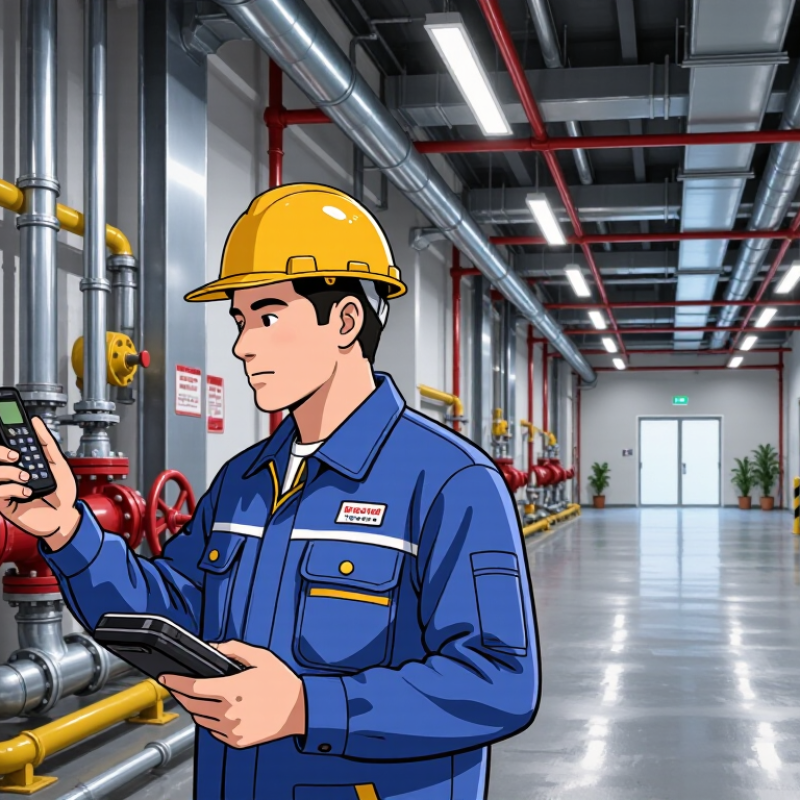
Walk through the facility with maintenance staff. Their practical observations often reveal blind spots in drawings. Check temperature, vibration, washdown routines, and access for calibration. Fixed sensors may suit continuous risks, while portable units can support inspections and temporary work. Match sensor technology to each gas. Do not assume one sensor type covers every hazard.
Budget decisions should include installation, calibration, replacement sensors, training, and emergency testing. A low purchase price can become expensive after repeated service visits. Alarm levels should be clear, audible, and visible from occupied areas. Remote notifications can help, but they should not replace local alarms. The system also needs records that show test dates, faults, and corrective actions.
Avoid paying for features nobody will use. Yet cutting maintenance support is a risky shortcut. I have seen projects specify advanced connectivity before confirming basic sensor coverage. That order needs rethinking. Choose a system that fits today’s risks, leaves reasonable room for expansion, and can be maintained by trained personnel. Test it under realistic conditions, including blocked access, noisy machinery, and a simulated ventilation failure.


 © Copyright 2020 Tianjin Tanghaidongyang Valve Co., Ltd. All Rights Reserved.