How to Choose the Best Grinding Machine for Your Needs?
Choosing the best Grinding Machine for your needs can significantly impact productivity and precision in manufacturing. According to a recent report by MarketsandMarkets, the global grinding machine market is projected to reach $5.9 billion by 2026, reflecting growth driven by advanced technologies and increasing automation. Experts emphasize the importance of selecting machinery that suits specific applications to optimize performance.
John Smith, a renowned industry expert, states, "Understanding the nuances of grinding machines is crucial for maintaining efficiency and quality." When investing in a grinding machine, consider the material type, required precision, and machine capabilities. These factors heavily influence your choice. The variety of machines available might seem overwhelming, yet, making an informed decision requires evaluating your specific production needs.
Additionally, you may encounter challenges in selecting features that enhance functionality versus those that may add unnecessary complexity. Balancing these aspects can be difficult but essential for improving workflow. As you explore options, focus on reliability and long-term support to ensure a worthwhile investment in your grinding machine.
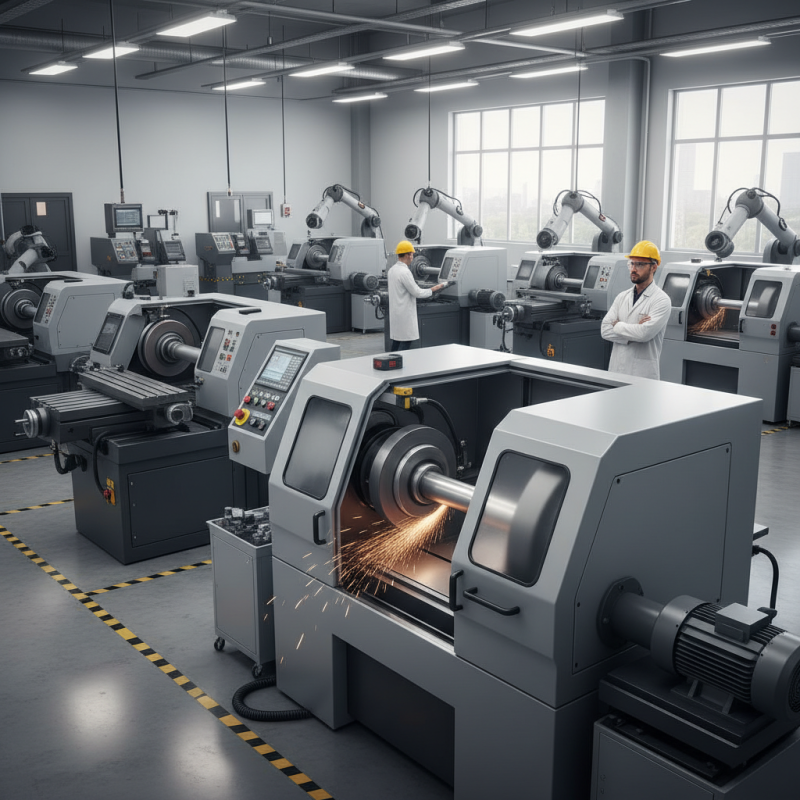
Understanding Different Types of Grinding Machines Available in the Market
When selecting a grinding machine, understanding the types available is essential. There are several categories, each designed for specific tasks. For metalworking, bench grinders are ideal. They are compact and perfect for sharpening tools and polishing. Their design allows for easy access and precision.
Another popular option is the belt grinder. This machine uses a continuous loop of abrasive material to smooth surfaces. It's excellent for larger pieces and heavy-duty tasks. However, they can be challenging for beginners. A thorough understanding of belt tensioning and maintenance is crucial for optimal performance.
Surface grinders provide a different approach. They excel at producing flat surfaces and are widely used in manufacturing. This machine requires careful operation and skill. Users need to be aware of potential mistakes, like incorrect height adjustments. Such errors can lead to poor finishes or damage.
Each type of grinding machine has unique benefits and challenges. Thinking about your specific needs can guide you toward the right choice.
Identifying Your Specific Grinding Needs and Applications
When choosing a grinding machine, understanding your specific needs is crucial. Grinding applications vary widely, from precision tasks to more general material shaping. Each application demands different specifications. For instance, are you grinding hard steel or softer materials? The material type will impact the machine's requirements.
Consider the size of the workpieces you will handle. Larger pieces might need more robust machines, while smaller parts may require precision grinders. Think about the desired finish as well. Some applications need a smooth surface, while others allow for rough finishes. Reflect on your desired output; understanding these nuances can lead to better choices.
Don't overlook the environment where the machine will operate. Dust, humidity, and temperature can affect its performance. Additionally, think about the available space. A large machine may not fit in a compact workshop. Balancing these factors can be challenging, but it is essential for optimal performance. Thus, investing time in assessing your needs can greatly influence your final decision.
Evaluating Key Features of Grinding Machines for Optimal Performance
When selecting a grinding machine, evaluating key features is crucial for optimal performance. Various machines are designed for specific tasks, such as surface grinding or cylindrical grinding. Understand your primary need before making a decision. Consider the material you will be grinding. Some machines excel with metal, while others work better with wood or plastic.
Tips: Understand the importance of wheel speed and size. The right wheel can make a significant difference in the finish of your product. Also, pay attention to the machine's power. Insufficient power can lead to poor performance and may cause frustration. Don’t ignore the dust collection system. A good system minimizes the mess and maintains air quality.
Another aspect to reflect on is the machine's versatility. Some machines come with adjustable settings for different tasks. This adaptability can save both time and money in the long run. However, simpler machines often require less maintenance. Sometimes, a basic model meets your needs better than a more complex one. Always weigh your options carefully and focus on your specific requirements for the best results.
Considering Budget and Cost-effectiveness When Choosing a Grinder
When choosing a grinder, cost-effectiveness plays a pivotal role. Understanding your budget is essential. It helps narrow down your options. Investing more upfront may save you money in the long run. High-quality machines often last longer and require fewer repairs.
Researching different types of grinders can minimize costs. For example, consider features that directly impact performance. High RPM, durable materials, and efficient motor selection can enhance productivity. Yet, balance these features with the price tag. Some advanced machines may not suit your needs.
Don’t forget ongoing costs. Maintenance and repairs can add up. It’s essential to choose a reliable model that doesn’t require constant servicing. Think about the long-term investment. Is a pricier model justified by its performance? Reflect on your specific requirements to make an informed decision.
How to Choose the Best Grinding Machine for Your Needs?
| Feature | Budget Option | Mid-Range Option | Premium Option |
| Price Range | $100 - $300 | $301 - $800 | $801 - $1500 |
| Horsepower | 0.5 HP | 1 HP | 2 HP |
| Grinding Wheel Size | 6 inches | 8 inches | 10 inches |
| Speed (RPM) | 3000 RPM | 3600 RPM | 4000 RPM |
| Weight | 30 lbs | 50 lbs | 80 lbs |
| Warranty | 1 year | 2 years | 3 years |
Researching and Comparing Top Brands and Models in the Industry
Choosing the right grinding machine starts with thorough research. Understanding the differences among various brands can provide valuable insights. Each brand has its strengths and weaknesses, often shaped by its history and expertise in the field. Reading user reviews can help gauge real-world performance and reliability. Online forums also offer practical advice from seasoned users who have tested different models.
Comparative analysis is essential when evaluating the features of grinding machines. Pay attention to specifications like motor power, grinding speed, and ease of use. You might encounter models that seem appealing at first glance, but they may lack durability or efficiency. Do not overlook the importance of customer support and warranty options. Reliable customer service can save you headaches down the line.
Reflect on your specific grinding needs. Are you working on small projects or larger production runs? Your requirements will significantly impact your choice. A machine that fits one person's needs may not suit another’s. Take your time to assess your priorities, and don’t rush into a decision. Balancing quality with budget is crucial in finding the right equipment.



 © Copyright 2020 Tianjin Tanghaidongyang Valve Co., Ltd. All Rights Reserved.