| Inversion Table | Uses body weight and gravity to create traction while the user rotates backward. | Head-down, horizontal, or partially inverted. | Adjustable user height, ankle-locking position, rotation resistance, and inversion angle. Many models include an angle limiter. | Padded backrest, ankle supports, safety handles, adjustable pivot settings, and folding frame on some designs. | Low to moderate; generally designed for indoor use and requires storage space. | Users who want broad spinal decompression and can tolerate inversion. | Provides traction across much of the spine and allows gradual angle changes. | May be unsuitable for some people with cardiovascular, eye, balance, blood-pressure, or joint conditions. It also requires safe mounting and dismounting. | High |
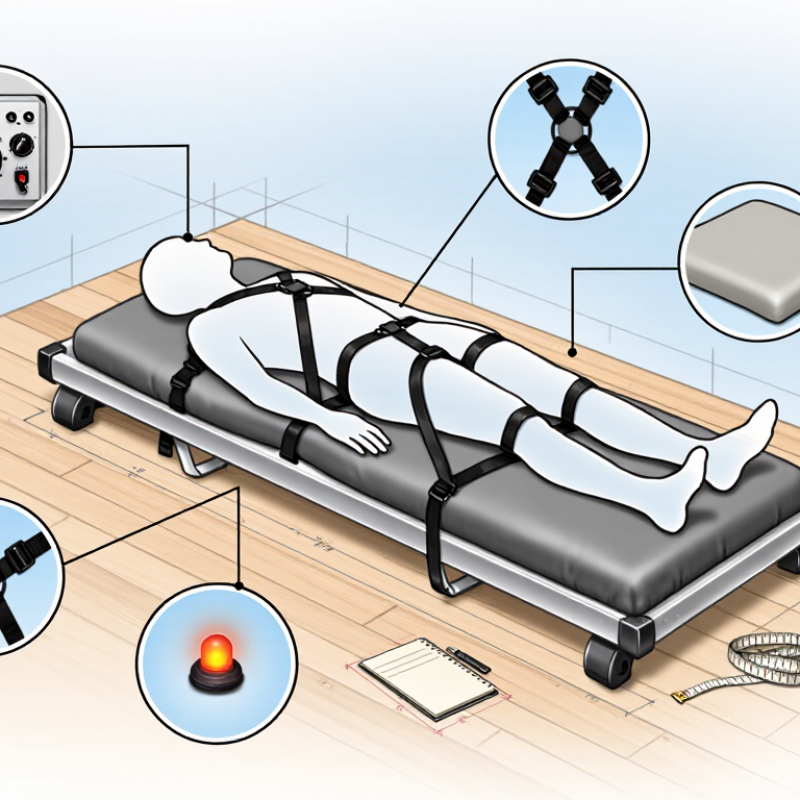
| Motorized Traction Table | Applies controlled intermittent or static pulling force through a motorized mechanism. | Usually lying supine; some tables support prone positioning. | Adjustable force, treatment time, traction cycle, hold-and-rest periods, and sometimes treatment angle or split-table movement. | Electronic controls, timer, padded surface, emergency stop, adjustable pelvic and upper-body supports, and programmable cycles. | Very low; typically intended for clinics or dedicated treatment rooms. | Professional clinical environments and users requiring precise, repeatable settings. | Offers the most consistent control and repeatability among common traction systems. | Large, expensive, and generally requires professional assessment, setup, and supervision. | Very high |
| Manual Traction Table | Traction is produced by a practitioner using manual force, body positioning, or table movement. | Usually lying down, with positioning selected for the treatment area. | Practitioner-controlled force, direction, duration, body position, and mobilization technique. | Adjustable sections, padded surfaces, pelvic straps, head supports, and mechanical height adjustment on some tables. | Very low; normally used in physiotherapy or rehabilitation facilities. | Patients who require individualized assessment and hands-on treatment. | Allows the practitioner to adapt force and positioning in real time. | Results depend heavily on practitioner skill and cannot usually be operated independently. | High |
| Door-Mounted or Over-Door Traction Unit | Uses a pulley, harness, and weight or resistance system to create gentle longitudinal traction. | Usually seated or lying, depending on the configuration. | Adjustable resistance or weight, harness height, head position, and treatment duration. | Head halter, pulley, cord, weight bag or resistance system, and door attachment hardware. | High; components are usually compact and easy to store. | Users seeking a lower-cost home option after receiving appropriate instructions. | Compact, comparatively affordable, and capable of targeted cervical traction. | Door strength and installation quality are important. Incorrect force or head positioning can cause discomfort or injury. | Moderate |
| Cervical Traction Device | Applies a pulling force to the neck to reduce compressive loading and encourage gentle elongation. | Seated, lying, or supported in a semi-reclined position. | Adjustable force, neck angle, head support, strap position, and session time, depending on the design. | Neck cradle or halter, padded support, hand pump or mechanical adjustment, and portable frame. | High; many units are designed for home storage or travel. | Users needing cervical rather than whole-spine traction. | Small footprint and relatively simple adjustment for the neck region. | It does not provide full-body traction and may aggravate symptoms if the neck is positioned incorrectly. | Moderate |
| Lumbar Traction Bench | Uses body positioning, a harness, and mechanical or pneumatic tension to unload the lower back. | Seated, semi-reclined, or lying, depending on the design. | Adjustable pelvic belt position, backrest angle, resistance level, and treatment duration. | Pelvic harness, lumbar support, adjustable seat or backrest, and manual or pneumatic controls. | Moderate; smaller than a clinical table but usually heavier than a portable belt system. | Users who want focused lumbar traction with stable pelvic support. | Provides targeted lower-back positioning and usually allows easier access than floor-based systems. | Primarily treats the lumbar region and may not suit users with hip, pelvic, or sitting-tolerance limitations. | Moderate to high |
| Stretching or Traction Frame | Combines supported body positioning with manual stretching, straps, or low-level mechanical tension. | Standing, seated, or lying, depending on the frame configuration. | Adjustable frame height, strap position, body angle, range of movement, and support points. | Adjustable bars, straps, handles, padded supports, and sometimes resistance bands. | Moderate to high; folding designs are easier to store. | Users seeking gentle mobility work and assisted stretching rather than high-force traction. | Versatile positioning and useful for combining traction with controlled stretching. | Force is often less precise than with motorized equipment, and improper stretching technique can strain muscles or joints. | High |
| Portable Traction Belt or Harness | Uses straps, belts, or a manual tensioning system to provide low-level traction while supported. | Usually seated, standing, or lying with an external anchor point. | Adjustable belt tightness, strap length, anchor height, and manual tension. | Lightweight harness, adjustable straps, carrying pouch, and basic tension control. | Very high; generally the easiest type to transport. | Users prioritizing portability and gentle, temporary support. | Lightweight, inexpensive relative to larger devices, and convenient for travel. | Provides limited force control and may not offer stable whole-body alignment or sufficient support for complex conditions. | Low to moderate |


 © Copyright 2020 Tianjin Tanghaidongyang Valve Co., Ltd. All Rights Reserved.