| Product Identity | Glyceryl Propoxy Triacrylate; propoxylated glycerol triacrylate; confirm the exact propoxylation level and product grade. | The degree of propoxylation can influence viscosity, flexibility, cure speed, reactivity, and final film performance. | Technical data sheet, product specification, structural description, and a representative certificate of analysis. | Critical | Match the purchase specification and intended formulation. |
| Chemical Composition | Triacrylate functionality confirmed; active content and composition limits defined by the application. A practical starting target is active content ≥95% by the supplier’s validated method. | Composition directly affects crosslink density, conversion, hardness, flexibility, and residual extractables. | Assay method, chromatographic or other validated analytical data, and batch CoA. | Critical | Review results against agreed lot-release limits. |
| Viscosity | Set a project-specific range at a defined temperature; an initial screening range of approximately 100–500 mPa·s at 25°C may be used for liquid handling studies. | Viscosity controls pumping, mixing, coating uniformity, dispensing, and incorporation into resin blends. | Test temperature, spindle or instrument type, shear condition, and viscosity result on the CoA. | High | Test a retained sample at 25°C using the agreed method. |
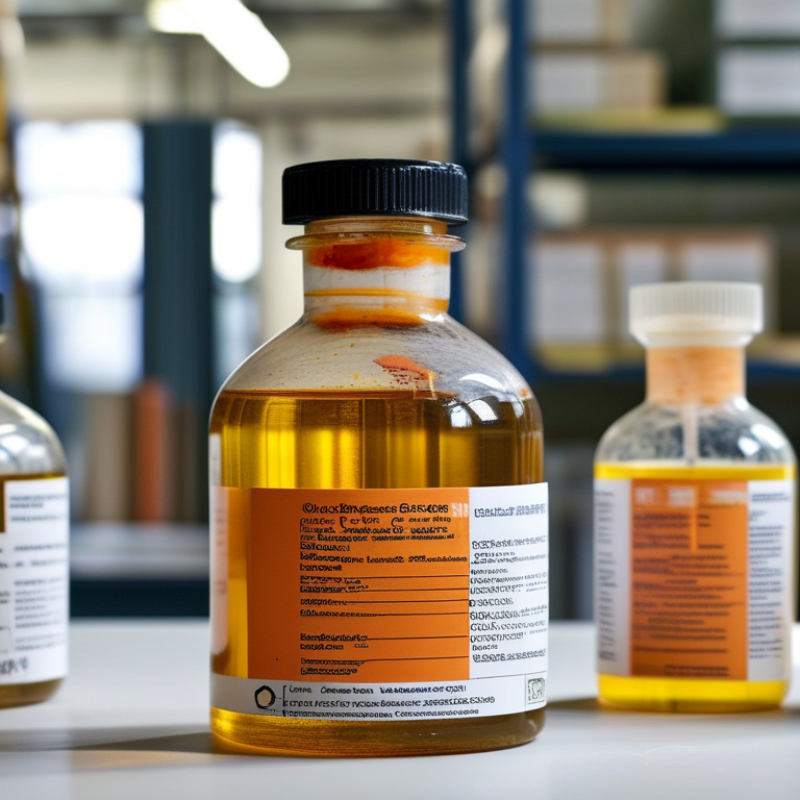
| Color and Appearance | Clear to slightly yellow, homogeneous liquid; no visible particles, gel, phase separation, or crystallization under the stated storage conditions. | Color and clarity can affect transparent coatings, inks, optical materials, and the visual consistency of finished products. | Appearance specification, color scale or numerical color limit, and representative sample photographs where appropriate. | High | Visual inspection under controlled lighting before use. |
| Acid Value | Define a low and consistent acid-value limit suitable for the formulation; the final limit should be established through compatibility and cure testing. | Acidic impurities may affect catalyst compatibility, storage stability, odor, corrosion, and cure behavior. | Acid-value test method, result, units, and batch-to-batch trend data. | High | Compare each lot with the approved specification. |
| Moisture and Volatiles | Use a documented maximum moisture limit; a practical starting control point is ≤0.20% by Karl Fischer analysis unless the application requires a lower value. | Water and volatile residues may cause bubbles, haze, adhesion loss, hydrolysis concerns, and inconsistent curing. | Karl Fischer or validated moisture method, volatile-content method, and actual batch result. | High | Verify incoming lots and investigate upward trends. |
| Polymerization Inhibitor | Inhibitor type and concentration must be declared and controlled within an agreed range; the level must balance storage stability with cure performance. | Acrylate monomers can polymerize prematurely when exposed to heat, light, contamination, or unsuitable storage conditions. | Inhibitor identity, concentration, analytical method, and recommended storage conditions. | Critical | Confirm the inhibitor level on the CoA or by agreed testing. |
| Cure Performance | Demonstrate compatibility with the selected photoinitiator or thermal-cure system; define target conversion, tack-free time, dose, temperature, and film thickness. | Supplier material can meet chemical specifications yet perform differently in UV, LED, EB, or thermally cured systems. | Application data, recommended cure window, conversion or gel-fraction results, and sample evaluation. | Critical | Run side-by-side trials using production-relevant conditions. |
| Packaging | Use sealed, compatible containers with minimal headspace exposure; packaging should protect against light, heat, moisture, and contamination. | Improper packaging can accelerate discoloration, inhibitor depletion, contamination, or premature gel formation. | Container material, net weight, closure design, light-protection details, and packaging inspection procedure. | High | Inspect seals, labels, container condition, and fill weight on receipt. |
| Storage and Shelf Life | Store in a cool, dry, well-ventilated area away from direct sunlight, ignition sources, and incompatible materials; use the supplier’s validated temperature range and shelf-life period. | Temperature history and light exposure can affect viscosity, color, inhibitor stability, and polymerization risk. | Safety data sheet, storage temperature range, shelf-life statement, transport conditions, and stability data. | Critical | Apply first-expiry-first-out control and record warehouse temperature. |
| Regulatory Documentation | Documentation package should include SDS, TDS, CoA, transport classification, composition or regulatory statement, and applicable regional compliance information. | Missing documentation can delay qualification, import clearance, worker training, and customer approval. | Current revision-controlled documents in English and any additional languages required for the destination market. | Critical | Review documents before purchase-order release. |
| Quality-System Controls | Prefer suppliers with documented lot traceability, change-control procedures, deviation handling, retained samples, and complaint-response processes. | Consistent quality depends on process control and the supplier’s ability to manage changes without unexpected formulation impact. | Quality questionnaire, audit response, change-notification policy, traceability example, and nonconformance procedure. | High | Complete a risk-based supplier qualification review. |
| Supply Continuity | Define minimum order quantity, standard lead time, annual capacity indication, forecast requirements, and contingency arrangements before approval. | Short-term availability does not guarantee stable supply for continuous production. | Written lead-time commitment, capacity statement, allocation policy, and business-continuity information. | High | Assess supply risk against expected annual consumption. |
| Technical Support | Supplier should provide formulation guidance, sample quantities, troubleshooting support, and assistance with scale-up or process changes. | Expert support can reduce qualification time and help resolve cure, adhesion, viscosity, or storage issues. | Technical contact details, response-time commitment, application notes, and sample-support process. | Medium | Evaluate responsiveness during the pre-qualification stage. |
| Commercial Evaluation | Compare total landed cost rather than unit price alone, including packaging, freight, duties, testing, minimum order quantity, and potential process losses. | A lower quoted price may be offset by higher logistics costs, inconsistent quality, or additional testing requirements. | Formal quotation, delivery terms, payment terms, validity period, packaging cost, and freight assumptions. | Medium | Use a documented total-cost-of-ownership comparison. |


 © Copyright 2020 Tianjin Tanghaidongyang Valve Co., Ltd. All Rights Reserved.