Choosing racks and rigs for global operations starts with material evidence, not appearance. World Steel Association data recorded about 1.89 billion tonnes of crude steel production in 2023. That scale does not guarantee quality. Ask for steel grade, coating method, weld inspection records, and corrosion resistance data. In humid storage areas, untreated edges can rust faster than expected.
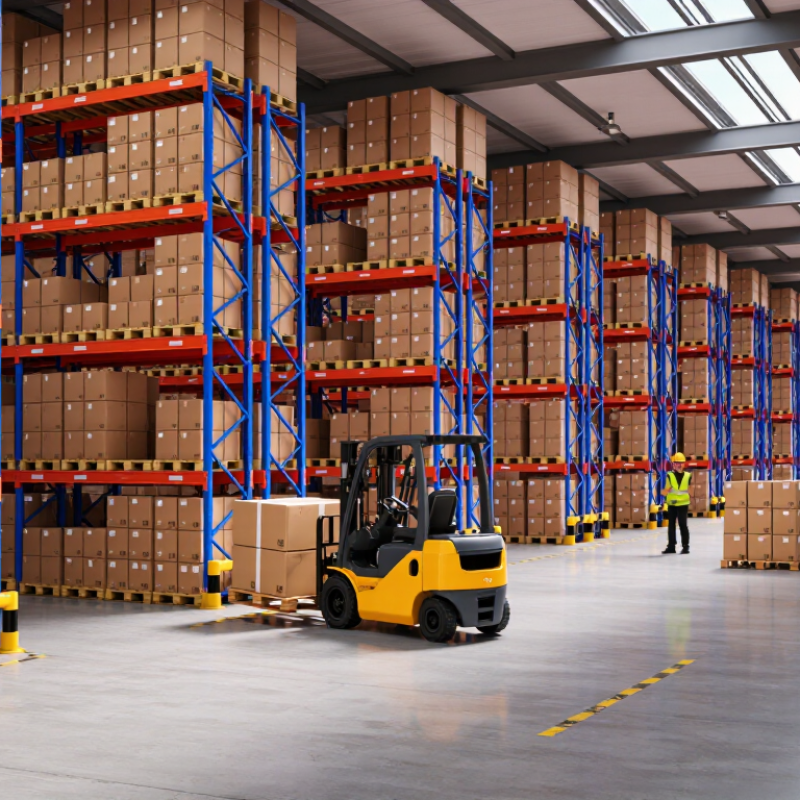
Dimensions must reflect real handling conditions. Measure pallet length, load height, forklift turning space, aisle width, and ceiling clearance. Leave room for sprinkler discharge and emergency access. I have seen drawings that fit perfectly on paper but fail when a loaded forklift turns. Recheck beam deflection, upright spacing, floor capacity, and seismic requirements before ordering.
Safety features deserve equal attention. Anchors, column guards, locking pins, back stops, mesh panels, and visible load notices reduce avoidable damage. The U.S. Bureau of Labor Statistics recorded 5,283 fatal work injuries in 2023, showing why warehouse safety cannot rely on operator caution alone. Inspect racks after impact and document every repair. Compliance should match the installation country, including applicable OSHA, EN 15635, ISO, or local fire codes. Standards can overlap, and sometimes they do not. A qualified engineer should verify the final design, especially when loads, climates, or building conditions change.



 © Copyright 2020 Tianjin Tanghaidongyang Valve Co., Ltd. All Rights Reserved.