Top 5 Tips for Choosing the Best Cold Rolling Machine?
Choosing the right Cold Rolling Machine is crucial for optimizing production efficiency. According to a report by Smith Industrial Research, the global market for cold rolling machines is expected to grow by 5.3% annually through 2027. This growth highlights the importance of selecting high-quality equipment. “Investing in the right machine can significantly enhance product quality and reduce operational costs,” says Dr. John Anderson, a leading expert in metalworking technology.
The process of cold rolling demands precision and reliability. A reliable cold rolling machine should ensure uniform thickness and surface integrity. Many manufacturers overlook the critical features when making a choice, which can lead to costly production delays. It’s essential to evaluate the machine's specifications and how they fit your unique needs.
Cold rolling technology evolves rapidly. Companies must stay informed about new advancements. Often, buyers focus too much on price without considering long-term benefits. This can lead to choosing inferior machines. Understanding the nuances of cold rolling will help make a better decision and improve manufacturing processes.
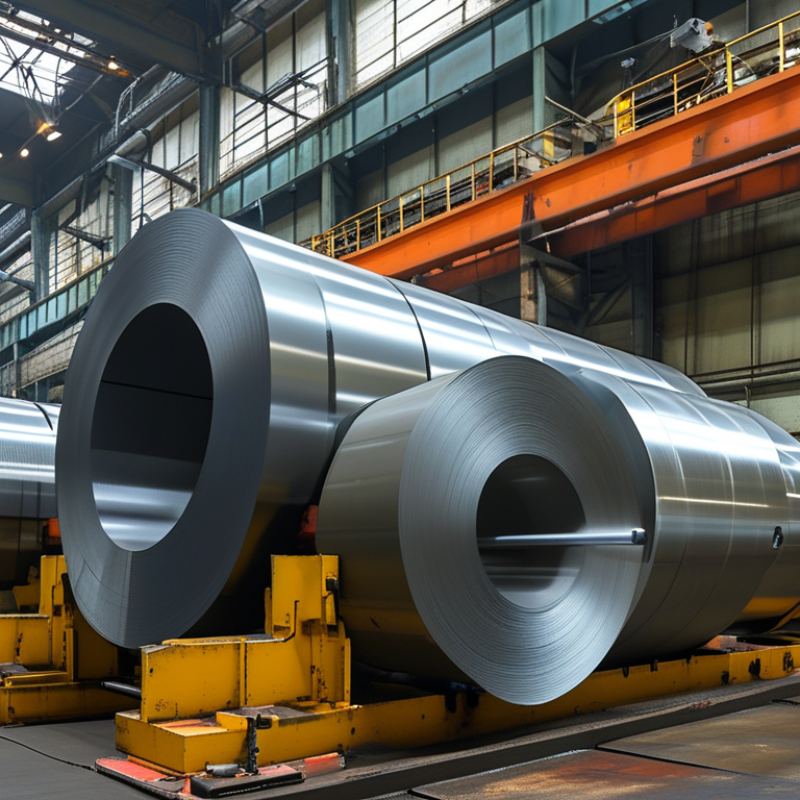
Understanding the Basics of Cold Rolling Machines and Their Applications
Cold rolling machines play a crucial role in metal processing. They are used to create thin sheets and strips of metal. Understanding their applications helps in selecting the right machine. These machines are essential in industries like automotive, construction, and manufacturing. They enhance the strength and surface finish of metal products.
When choosing a cold rolling machine, consider its capacity. Machines vary in size and output. It's important to match the machine's specifications with your operational needs. Efficiency is also key. Look for machines that minimize waste and energy consumption.
Maintenance matters too. Regular servicing can prevent downtime. Some machines might require specialized parts, creating potential delays in production. Prioritize models with readily available support and parts. Listen to user feedback and be prepared to adjust your choice based on real-world performance.
Choosing the best cold rolling machine calls for careful consideration and ongoing observation.
Key Features to Consider When Selecting a Cold Rolling Machine
When selecting a cold rolling machine, understanding key features is crucial. One important aspect is the machine's capacity. It determines how much material can be processed at a time. Consider the dimensions and weight of the materials you will be working with. A machine that fits your specifications will save time and improve efficiency.
Another significant feature is the machine's roll configuration. Different configurations, such as two-high or four-high, affect the quality of the finished product. Choosing the right configuration can enhance your production process. Look for machines that offer flexibility in roll diameter and surface finish. This choice might help avoid potential issues during production.
Think about the technology involved. Advanced features like automatic controls and real-time monitoring can improve reliability. However, these technologies should be balanced with ease of use. Complicated systems may require more training. Reflect on the learning curve and maintenance practices when evaluating options. A simpler machine can sometimes be more effective, especially for smaller operations. Ultimately, prioritize features that align with your production needs and capabilities.
Top 5 Tips for Choosing the Best Cold Rolling Machine
| Feature | Description | Importance Level |
| Roll Diameter | Determines the type of materials that can be processed. | High |
| Roll Width | Affects the maximum width of material sheets. | Medium |
| Material Compatibility | Ensures the machine can handle various metals like steel and aluminum. | High |
| Rolling Speed | Impacts productivity based on desired output rate. | Medium |
| Control System | Influences ease of operation and automation level. | High |
Assessing Material Specifications for Optimal Cold Rolling Performance
Choosing the right cold rolling machine requires careful evaluation of material specifications. The type of metal and its thickness dramatically influence rolling performance. Steel, aluminum, and copper all behave differently under pressure. Understanding these differences helps ensure optimal outcomes.
A critical aspect is to assess the material's hardness. Softer materials often require different roller designs compared to harder ones. Incorrect assumptions about material strength can lead to machine damage. Regular testing of metallurgical properties can mitigate unexpected failures. Consider also the surface finish. Certain applications need specific textures. Not meeting these requirements could affect product quality negatively.
Pay attention to the final dimensions of the rolled products. Precision is vital in industries reliant on exact specifications. If the machine is not aligned with these needs, manufacturing delays may arise. It's beneficial to consult with industry experts who can provide insights into material behavior and machine compatibility. This consultation can lead to much more reliable long-term performance.
Evaluating Manufacturer Reputation and Customer Support Services
When selecting a cold rolling machine, evaluating the manufacturer's reputation and customer support is crucial. Data shows that 85% of customers value post-purchase support. A strong reputation often reflects reliability in manufacturing processes and product longevity. Companies with established histories typically have proven track records in performance and customer satisfaction.
Effective customer service ensures timely assistance, especially during installation and maintenance. Manufacturers should offer comprehensive support resources. A documented history of addressing customer concerns quickly fosters trust. Look for manufacturers providing thorough training programs and accessible technical support.
Consider these tips: Check online reviews and industry forums to gauge experiences. Inquire about warranty terms and the availability of spare parts. Engaging with past customers can reveal insights about potential challenges. Always prioritize companies that demonstrate commitment to quality and after-sales service. A supportive manufacturer enhances your operational efficiency and machine performance in the long run.
Budgeting for Purchase and Maintenance of Cold Rolling Equipment
When budgeting for the purchase of cold rolling equipment, it is crucial to consider both initial costs and ongoing maintenance. The upfront price varies greatly based on features and technology. While some machines offer advanced capabilities, simpler models may suffice for basic needs. Assess your production requirements before diving into investments.
Maintenance costs are often overlooked. Proper upkeep can extend the machine's lifecycle and enhance efficiency. Regular checks and services can prevent costly repairs later. Factor in these expenses when calculating your total investment. It's easy to underestimate how much upkeep can add to overall expenses.
Think about the potential training necessary for operators. Investing in their skill development can improve efficiency. If operators are unfamiliar with the equipment, mistakes could happen. Balancing these costs can be complex, but clear foresight aids in making informed decisions. Also, consider the long-term benefits of reliability and reduced downtime when weighing your options.
Cost Factors in Cold Rolling Machine Selection


 © Copyright 2020 Tianjin Tanghaidongyang Valve Co., Ltd. All Rights Reserved.