2026 How to Choose the Best 100g DAC Cable for Your Needs?
As industries evolve, high-speed data transmission remains critical. One essential component in this realm is the 100g Dac Cable. Its ability to handle large volumes of data makes it indispensable for various applications. According to a recent report by MarketsandMarkets, the global DAC cable market is expected to grow significantly, reaching a value of $3.5 billion by 2026.
Experts like Dr. Emily Hart, a leading researcher in data communications, emphasize the importance of selecting the right cable. She states, “Choosing the appropriate 100g DAC cable can greatly impact system performance and network efficiency.” However, with so many options available, making the right choice can be challenging. Factors such as length, material quality, and connector type all play a crucial role in performance.
Moreover, the push for more sustainable solutions in the tech industry complicates the selection. Not all cables are created equal. Many users overlook the importance of durability and future-proofing. A wise decision today can save time and resources in the long run. As technology advances, understanding these details will be vital for optimizing performance with 100g DAC cables.
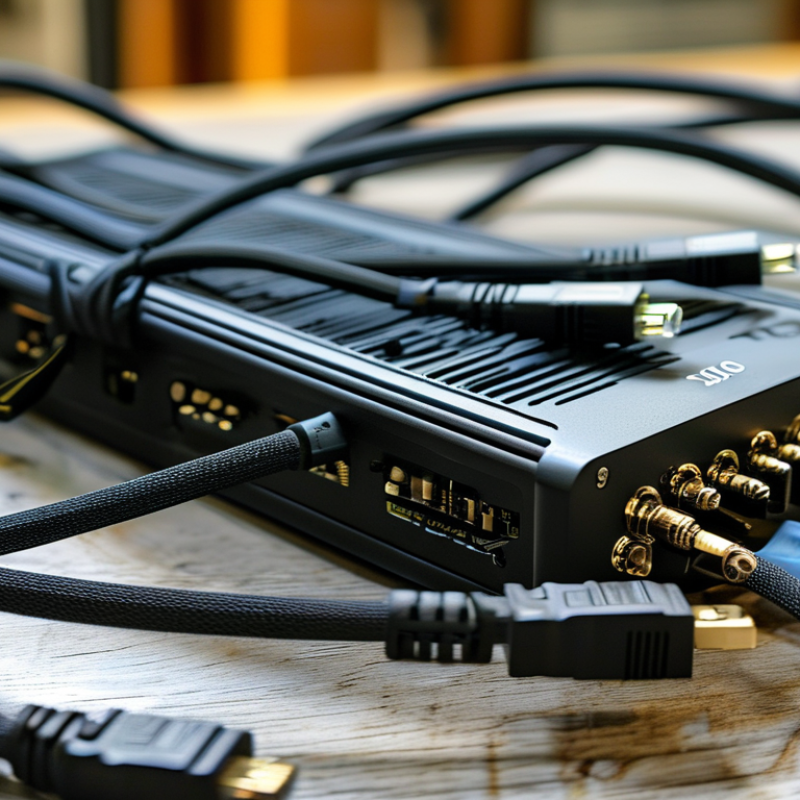
Understanding DAC Cables and Their Importance in Audio Systems
Digital-to-Analog Converter (DAC) cables play a crucial role in audio systems. They bridge the gap between digital signals and analog sound. The choice of a DAC cable directly impacts audio quality. A poor-quality cable may produce distortion or lose fidelity, which is frustrating for any audiophile. Understanding the specifications and construction of these cables is essential.
When selecting a DAC cable, consider the materials used in its construction. High-quality metals like copper and silver can enhance conductivity, leading to clearer sound. The cable's shielding is equally important; effective shielding minimizes interference from external sources. Be mindful that length plays a role too; longer cables can introduce signal loss. Some users may overlook this detail, leading to disappointing results in audio performance.
It’s also essential to understand compatibility with your devices. A cable that works for one setup might not suit another due to varying specifications. Thoroughly researching and comparing options can be overwhelming but necessary. Users should trust their ears, listening for clarity and depth. Recognizing that not every cable will meet personal preferences is also vital. Each audio system is unique, and finding the right match is often a journey of trial and error.
Key Considerations When Selecting a 100g DAC Cable
When selecting a 100g DAC cable, several key factors should guide your decision. Start with the cable's construction. Look for materials that ensure durability and optimal signal transmission. A well-constructed cable minimizes interference and loss. Copper and high-quality shielding are indicators of a reliable product.
The length of the cable is also crucial. Shorter cables typically provide better signal integrity. However, there may be situations where longer cables are necessary. Ensure you balance distance with performance. Consider your setup and how the cable will be routed.
Another aspect to assess is compatibility. Make sure the cable you select fits your specific devices and applications. Some cables may support higher data rates than others. Research the specifications that match your needs. Reflect on your past experiences; what worked and what didn't? This insight will guide you in making a more informed choice.
Types of 100g DAC Cables: Which One Suits Your Setup?
When selecting a 100G DAC cable, understanding the types available can significantly influence your setup's performance. Passive DAC cables are designed for short distances. They typically run under 5 meters and are often favored for their simplicity and cost-effectiveness. A report by the Institute of Electrical and Electronics Engineers (IEEE) states that passive cables can achieve excellent performance for distances below this threshold.
Active DAC cables, on the other hand, utilize signal boosters. These can extend range and improve reliability over longer distances. Their performance is notably superior for runs up to 10 meters. The market has seen a growing trend towards the usage of active DAC cables, with a 40% increase reported by industry analysts over the past year. While their pricing is generally higher, for larger setups, they are often seen as a worthy investment.
It's essential to consider your specific application's requirements. The choice between passive and active should be informed by your hardware and layout. A mismatch can lead to suboptimal performance. Data shows that nearly 15% of users experience signal degradation due to improper cable choices. Thus, careful evaluation is key to achieving the best results in high-speed data connections.
Evaluating Cable Quality: Materials and Construction Factors
When selecting a 100g DAC cable, evaluating cable quality is essential. The materials used in the cable can significantly impact performance. High-quality conductors, like oxygen-free copper, provide superior conductivity, ensuring minimal signal loss. According to industry reports, cables made from premium materials can enhance data transmission speeds by up to 30%.
Construction factors also play a critical role. A well-constructed cable with proper shielding prevents interference from external sources. This is particularly important in environments with heavy electromagnetic interference. Cables featuring multiple layers of shielding can reduce noise significantly, leading to better sound quality in audio applications.
Tips: Always check for detailed specifications. Look for certifications that indicate adherence to industry standards. Not all cables are created equal; durability matters too. A cable that frays easily may not perform well over time. Reliability can sometimes be overlooked, yet it’s crucial for consistent performance. A poorly constructed cable can cause frustrating interruptions.
2026 How to Choose the Best 100g DAC Cable for Your Needs? - Evaluating Cable Quality: Materials and Construction Factors
| Cable Type | Material | Length (meters) | Shielding Type | Max Data Rate (Gbps) | Price (USD) |
| Active DAC Cable | Copper | 2 | Foil Shielding | 100 | 50 |
| Passive DAC Cable | Copper | 1 | Braided Shielding | 40 | 30 |
| Optical DAC Cable | Glass Fiber | 5 | No Shielding | 100 | 100 |
| Hybrid DAC Cable | Copper and Fiber | 3 | Foil Shielding | 80 | 75 |
| Durable DAC Cable | Copper with PVC Jacket | 10 | Foil and Braided Shielding | 100 | 120 |
Comparing Brands and Pricing for the Best Value DAC Cable Options
When selecting a 100g DAC cable, brand comparison is critical. Every brand offers unique features and specifications. Some focus on durability, while others emphasize audio quality. Evaluating these elements is essential to make an informed choice. Pricing is another pivotal factor to consider. A more expensive cable doesn’t always mean superior quality. Sometimes, mid-range options provide excellent performance without breaking the bank.
Researching various brands can lead to surprising discoveries. Many consumers favor lesser-known brands that excel in specific areas. This means that a focused search may yield better value. Reading reviews and comparing specifications allows potential buyers to see what really matters for their needs. While high-end brands may promise exceptional performance, they can also be expensive. It’s vital to weigh performance against cost.
Reliability is key in making a purchase. Seek cables that have undergone testing for quality assurance. This information can guide buyers in assessing which options are worth considering. Some cables may appear flawless but might falter under real-world usage. Therefore, understanding the limitations of each option helps in making smarter choices. Exploring various brands and their pricing structures can greatly enhance your decision-making process.



 © Copyright 2020 Tianjin Tanghaidongyang Valve Co., Ltd. All Rights Reserved.