How to Choose the Best Wooden Industrial Model Kit in 2026?
In the world of creativity and craftsmanship, choosing the right Wooden Industrial Model Kit can be daunting. According to the Woodcraft Association, the market for wooden model kits has grown by 35% over the last three years, highlighting the increasing interest in this hobby. Experts emphasize the significance of quality and design in selecting a model kit. "A well-crafted Wooden Industrial Model Kit not only inspires creativity but also teaches valuable skills," states John Miller, a renowned expert in woodworking.
The variety of Wooden Industrial Model Kits available in 2026 reflects diverse tastes and skill levels. Whether you are a novice or an experienced builder, finding the right fit is crucial. However, many enthusiasts struggle with this choice, often drawn to visually appealing designs without assessing the quality of materials. The balance between aesthetics and functionality is vital in making an informed decision.
Moreover, reviews indicate that not all kits deliver the promised experience. Some hobbyists report frustration with poor instructions or subpar materials. Reflecting on these experiences can help future buyers make better choices. Understanding what constitutes a reliable Wooden Industrial Model Kit requires both research and personal insight. Engaging with community feedback can guide you toward the best selection.
Factors to Consider When Choosing a Wooden Industrial Model Kit
When selecting a wooden industrial model kit, consider the material quality. Look for sturdy wood that ensures durability. The craftsmanship is crucial; smooth edges and precision cuts enhance the assembly experience. Examine how well the parts fit together. Poor fit can lead to frustration.
Next, think about the complexity of the model. Some kits are challenging, ideal for advanced builders. Others suit beginners, featuring simple designs. Assess your skill level honestly. Choose a kit that matches your expertise for an enjoyable experience. Check the instructions too. Clear, detailed guides can save time and reduce errors.
Another factor is the aesthetic appeal. Consider the final look of the model. Will it fit your decor? A model that aligns with your style enhances satisfaction. Reflect on why you’re choosing a kit. It should be fulfilling, not just a task. Balancing challenge and enjoyment creates a rewarding project.
Types of Wooden Industrial Model Kits Available in 2026
When selecting a wooden industrial model kit in 2026, it’s essential to understand the various types available. Engine models represent a popular choice. These kits often feature intricate parts that mimic real engines. Building one can be a rewarding experience. However, the complexity can be challenging for beginners.
Another popular type is architectural model kits. These kits allow enthusiasts to recreate famous buildings or their designs. The attention to detail can be stunning. Some kits include additional features like landscaping. This adds an artistic touch to the finished product. Yet, the assembly process can be time-consuming and requires patience.
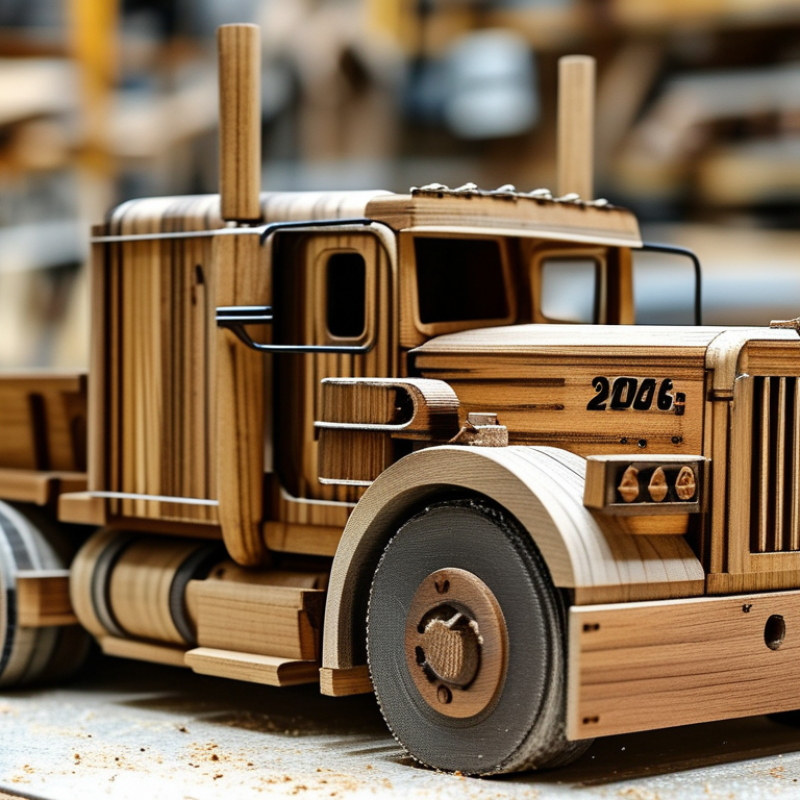
Lastly, vehicle model kits offer a dynamic way to explore engineering concepts. Many kits focus on trucks, boats, and airplanes. They come with moving parts that enhance realism. These models can encourage critical thinking. Yet, potential builders should be aware of the difficulty levels available. Some kits may surprise you with their complexity. Choosing the right kit is crucial for an enjoyable experience.
Comparison of Popular Types of Wooden Industrial Model Kits in 2026
Quality Indicators of Wooden Kits: Materials and Craftsmanship
When choosing a wooden industrial model kit, quality indicators matter greatly. The materials used in construction play a key role in durability. Look for kits made from high-quality, sustainable wood. Plywood and hardwoods are often better than softer woods. They ensure the models withstand wear and tear.
Craftsmanship is equally important. Examine the precision of cuts and joints. A well-crafted kit should fit seamlessly together. Such careful attention to detail enhances the model's overall look and longevity. Don't ignore the finishing touch. Smooth surfaces and fine details indicate a higher quality product.
Tips to keep in mind: Check reviews from fellow hobbyists. Their experiences often reveal hidden strengths or weaknesses. Study the assembly instructions. Clear instructions are essential for a satisfying building experience. Lastly, consider the complexity. Choose a level that matches your skill. This choice can significantly impact your enjoyment and satisfaction.
Top Brands and Manufacturers of Wooden Industrial Model Kits
When selecting a wooden industrial model kit, understanding the top brands is essential. Many manufacturers focus on quality and craftsmanship. Look for brands that have a strong reputation in the hobby community. Check online forums and reviews to see what others have to say.
Expert recommendations often highlight the importance of materials. High-quality wood, precision-cut parts, and detailed instructions make a difference. Some brands may offer kits with more intricate designs. However, simplicity can benefit beginners. Balancing complexity and user-friendliness is crucial.
Building these kits can be a rewarding experience. You’ll learn problem-solving skills and improve your patience. While some kits may seem overwhelming, the journey will develop your skills. Embrace challenges along the way; not every step will go as planned. It’s important to reflect on what worked and what didn't during your build.
Tips for Beginners: What to Look for in a Model Kit
When selecting a wooden industrial model kit, beginners should consider several key factors. The complexity of the kit is crucial. A beginner might feel overwhelmed by a highly intricate design. Reports indicate that 40% of new hobbyists abandon kits they find too complicated. Start with simpler projects to build confidence and skills.
Quality of materials also plays a vital role. Look for kits made from high-grade wood. Poor quality can lead to model fragility. According to industry reports, models constructed from premium materials have a 50% higher likelihood of surviving the building process intact. Don't forget to examine the precision of the pre-cut pieces. Misalignment can cause frustration and waste time.
Pay attention to the instruction clarity. Confusing manuals can result in errors and lower satisfaction levels. Research states that users often express significant dissatisfaction when guidelines are vague. It’s worth noting that miscommunications in instructions account for 30% of user complaints. Choose kits with clear, detailed steps that cater to beginners to ensure a smoother experience.



 © Copyright 2020 Tianjin Tanghaidongyang Valve Co., Ltd. All Rights Reserved.