Best Wafer Roll Machine for Perfect Snack Making Tips?
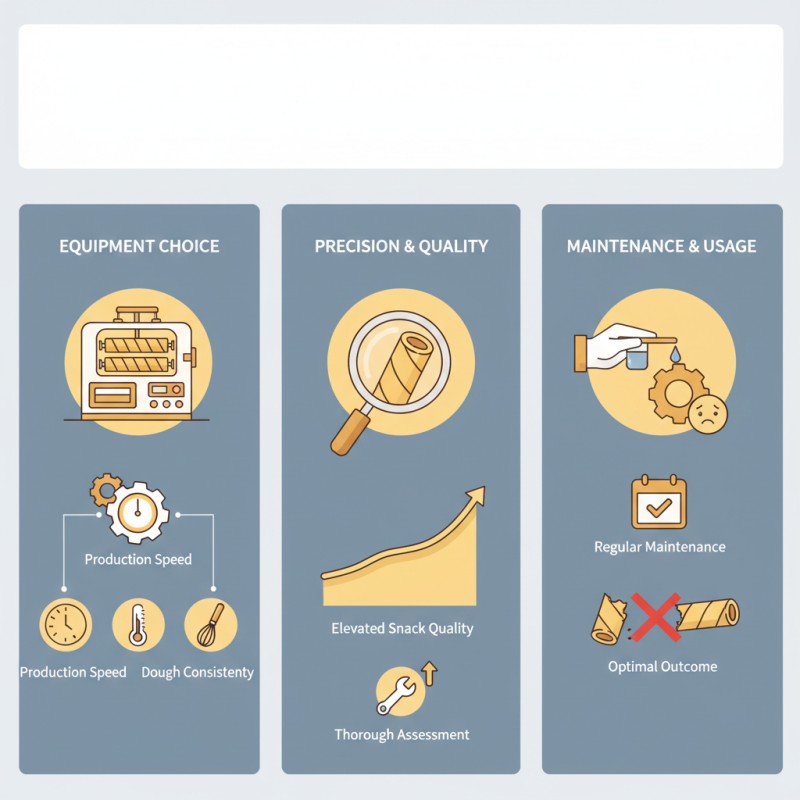
When it comes to making the perfect wafer rolls, the choice of equipment is vital. According to industry expert John Hartman, "The right Wafer Roll Machine can change everything." His insight underscores the importance of selecting a machine that suits your specific needs. A good machine can elevate the quality of your snacks significantly.
Choosing the best Wafer Roll Machine involves understanding the intricacies of the manufacturing process. Factors such as production speed, temperature control, and dough consistency play crucial roles. Even minor inaccuracies can lead to unsatisfactory results, reminding us that precision is key. Make sure to assess the machine's capabilities thoroughly.
Improper usage of a Wafer Roll Machine can result in disappointing snacks. Sometimes people overlook the maintenance of their machines, which is essential for longevity. Even with the best equipment, mishaps can occur. Reflecting on these details ensures a better outcome for your snack-making endeavors.
Understanding Wafer Roll Machines: Types and Features
When exploring wafer roll machines, understanding their types and features is essential. These machines come in various designs, each with unique functionalities. Some are manual, requiring hands-on operation, while others offer automated processes. Manual machines give you control over the baking time and temperature, but they need skill. Automation simplifies the process but may lack the same level of precision.
Features vary significantly among machines. Temperature control is crucial for achieving that desired crispiness. Different molds shape the wafer rolls, and having a variety can lead to exciting snack options. However, not all machines come with easy-to-clean designs, which can be a hassle. Warranty options might also differ, giving consumers more to think about before purchasing.
When choosing a wafer roll machine, consider your needs. Some users prefer compact designs for small spaces. Others may need larger machines for production purposes. Each choice has its trade-offs. It's important to reflect on what features matter most to you. Personal experience plays a big role here. Understanding these nuances can lead to perfecting your snack-making skills.
Key Factors to Consider When Choosing a Wafer Roll Machine
When choosing a wafer roll machine, there are key factors to consider. The machine's capacity is crucial. You want one that matches your production needs. A small family-run setup may need less capacity, while a commercial kitchen requires more. Think about your goals and choose wisely.
Temperature control is also important. Consistent heat ensures even cooking. If your machine doesn't hold temperature well, the rolls might burn or remain uncooked. This inconsistency can lead to wasted ingredients and time.
Tips for perfect wafer rolls: always use fresh batter. The texture affects final results. Experiment with different thicknesses of the batter. Thin batter creates crispy rolls, while thicker options yield softer versions. Don't rush your process; patience leads to perfection. Mistakes will happen, but they are part of learning. Embrace them, adjust, and find what works best for you.
Step-by-Step Guide to Operating a Wafer Roll Machine
Operating a wafer roll machine requires precision and care. Begin by preparing your batter. Quality ingredients will ensure a delightful texture. Studies show that proper batter consistency improves the final product. A thickness of around 2 to 3 mm is ideal. This will provide the crispy yet tender bite that snack lovers crave.
Once the batter is ready, evenly pour it onto the preheated plates. Timing is crucial. Each batch should cook for about 1 to 2 minutes. Too long, and you risk burnt edges. Regular temperature checks can prevent this issue. Using a thermometer can help maintain an optimal cooking temperature of around 180°C (356°F).
After baking, quickly roll the wafers into shape while they are still warm. This step can be tricky. If the wafer cools too much, it becomes brittle and hard to mold. Many operators struggle with this. Continuous practice improves your skill. Interestingly, a survey indicated that nearly 40% of snack makers face challenges during shaping. Maintaining a steady hand and quick reflexes will yield better results.
Tips for Perfect Snack Making with Wafer Roll Machines
Creating perfect wafer rolls can be a fun yet challenging process. Start by ensuring your ingredients are fresh. The quality of flour and sugar impacts the texture. Use a precise measuring method. Too much flour leads to hard rolls, while too little results in excess moisture. Mix the ingredients well but avoid over-mixing, as this can create toughness in the final product.
Timing is crucial when using a wafer roll machine. The ideal cooking time can vary based on machine settings. Do not assume all machines work the same. Observe closely as the rolls cook. If they turn too dark, your temperature might be too high. Experimentation is key here. A slightly undercooked roll may be easier to shape.
Rolling the wafers can also be tricky. If they crack, your batter may be too thick or dry. Thin out your mixture to improve flexibility. It's also essential to let the rolls cool slightly before forming. They should be warm but not scalding. This balance will allow you to create a neat shape without burns. Mistakes will happen, but they help refine your technique.
Maintenance and Care for Your Wafer Roll Machine
Taking care of your wafer roll machine is essential for long-lasting performance. Regular cleaning is crucial. After each use, wipe down the surfaces with a damp cloth. Dry thoroughly to avoid rust. Pay special attention to any crevices where batter might accumulate.
Tips: Use a cotton swab for hard-to-reach areas. This will help keep your machine clean and functioning well. It’s frustrating when leftover batter burns and sticks. Prevent this by doing a proper cleanup every time.
Another aspect of maintenance is checking the heating elements. They should be inspected regularly for efficiency. If your rolls are not cooking evenly, it could indicate a problem. Adjusting the temperature settings might help, but sometimes, deeper issues need addressing.
Tips: Keep a log of your machine’s performance. Note down any irregularities you notice. This small step can assist in troubleshooting. Preventive care is always better than dealing with a broken machine. Consider taking the time to inspect the power cord and plug for safety.
Wafer Roll Machine Performance Metrics



 © Copyright 2020 Tianjin Tanghaidongyang Valve Co., Ltd. All Rights Reserved.