The Best Uv Coating Curing Machine for Your Needs?
In the ever-evolving world of UV technology, understanding which UV Coating Curing Machine suits your specific needs is crucial. Industry expert Dr. Jane Smith notes, “Selecting the right curing machine can significantly enhance production efficiency.” With a plethora of options available, it can be overwhelming for manufacturers to make informed choices. Factors such as curing speed, energy consumption, and material compatibility must be carefully considered.
The benefits of a quality UV Coating Curing Machine extend beyond just faster curing times. These machines can improve finish quality and boost overall productivity. Choosing the wrong machine can lead to problems, such as insufficient curing and compromised product integrity. It's essential to weigh these issues to find the best fit.
Each business has unique requirements. A machine effective for one application may not be suitable for another. Understanding these differences is vital. Investing time in research and expert recommendations can lead to better decisions. Ultimately, the right equipment will provide long-term efficiency and reliability.
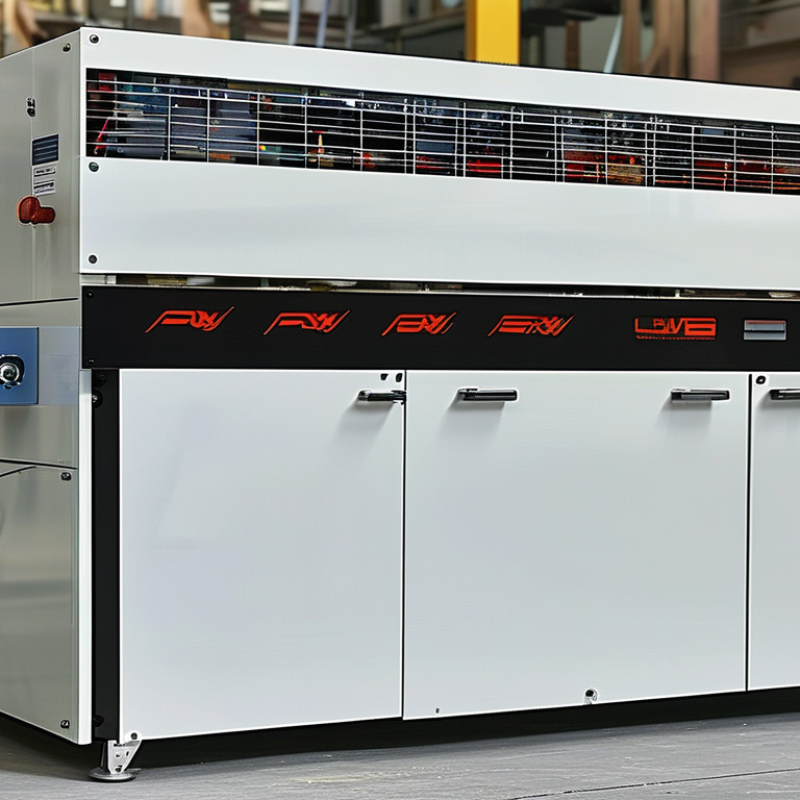
Understanding UV Coating Curing Machines: An Overview
Understanding UV Coating Curing Machines: An Overview
UV coating curing machines are essential in various industries. They utilize ultraviolet light to dry inks and coatings instantly. This technology enhances productivity and offers a durable finish. Many manufacturers benefit from the quick curing times, allowing for faster turnover in projects. However, choosing the right machine can be challenging.
When selecting a UV curing machine, consider the type of materials you'll use. Each material requires different intensities of UV light. It's crucial to understand the specifications of both the machine and the coatings, as this information can be vital in optimizing your workflow.
Tips: Regular maintenance is necessary for optimal performance. Dust and debris can impede the curing process. Also, employee training can enhance safety and efficacy. Basic knowledge of how UV light interacts with different substrates is vital. Reflect on any recurring issues and address them proactively. This approach can save time and resources in the long run.
Key Features to Consider When Choosing a UV Curing Machine
When choosing a UV curing machine, several key features are essential. One major consideration is the wavelength of the UV light. Different materials require specific wavelengths for optimal curing. For example, a report by the Advanced Manufacturing Technologies Association indicates that UV wavelengths between 320-390 nm are most effective for inks and coatings.
Another critical aspect is the machine's output power. Higher power allows for faster curing times, which can enhance productivity. A recent study highlighted that machines with at least 200 watts per inch provide efficient performance for many applications. Users often find that balancing speed with quality cures is a key challenge.
Tips for selecting a UV curing machine include assessing your production volume needs. If you operate in a high-volume environment, look for a machine with adjustable speeds and multiple lamp options. Ensure a user-friendly interface is available for managing settings efficiently. Consider the machine's footprint; space constraints can limit your options. Always refer to user reviews and industry reports to gauge reliability and performance.
Curing technology is always evolving. Users should stay updated on advancements. This can be a tricky endeavor, as manufacturers frequently change features. Observing how well a machine integrates with current processes is vital for long-term success. A focus on adaptability can lead to improved operations and higher-quality outputs.
The Best UV Coating Curing Machine for Your Needs? - Key Features to Consider When Choosing a UV Curing Machine
| Feature | Description | Importance Level |
| Wavelength | The specific UV wavelength range the machine operates within, affecting curing effectiveness. | High |
| Curing Speed | Time taken to fully cure materials, crucial for production efficiency. | High |
| Footprint | Physical size of the machine, important for workspace management. | Medium |
| Power Consumption | Energy efficiency of the machine, factors into operational costs. | Medium |
| Ease of Use | User-friendly controls and operation methods, impacting training time. | High |
| Maintenance Requirements | Frequency and complexity of required upkeep to maintain machine performance. | Medium |
| Versatility | Ability to cure different materials and applications, enhancing production flexibility. | High |
Types of UV Curing Technologies and Their Applications
UV curing technologies have transformed various industries, including printing, coating, and adhesive applications. Different types of UV curing systems are available, each catering to specific needs. The most common technologies include UV-LED and traditional mercury arc lamps. According to a 2022 industry report, UV-LED systems are gaining popularity due to their energy efficiency and longer lifespan. They emit less heat, reducing the risk of damaging sensitive substrates.
In contrast, mercury arc lamps generate intense heat but offer broader wavelength coverage. They remain suitable for thicker coatings and applications demanding high curing speeds. A study by Smithers Pira indicates that businesses using UV curing technology can reduce energy costs by about 30% compared to conventional drying methods. However, some industries still face challenges in adopting these technologies. The initial investment for UV curing machines can deter small businesses.
Moreover, compatibility with materials is always a concern. Some substrates may not react adequately to certain UV wavelengths, leaving users frustrated. Testing various materials is crucial before committing to a specific system. With the ever-evolving market, staying informed about the latest advancements in UV curing technology can significantly impact productivity and cost-efficiency in manufacturing processes.
Assessing Your Specific Needs for UV Coating Solutions
When selecting a UV coating curing machine, understanding your specific needs is crucial. Different projects require varying levels of precision, speed, and versatility. Analyzing the materials you often work with can guide you in choosing the right equipment. For example, wood, plastics, and metals each have distinct responses to UV curing. A thorough evaluation of these materials will support better decisions.
Consider your production scale as well. Are you a small workshop or a larger manufacturing facility? A high-volume production line may need quicker curing capabilities. In contrast, smaller setups can benefit from machines designed for flexibility and detailed work. Think about the types of projects you handle. Do they often change, or are they more consistent? This factor can influence your choice significantly.
It's also essential to reflect on your budget constraints. High-end machines often come with advanced features but may not be necessary for every operation. Balancing your needs with what you can invest is vital. Remember, the “right” machine isn’t always the most expensive one; it’s the one that aligns best with your workflow and goals.
Evaluating Cost-Effectiveness and Efficiency in UV Curing Machines
When evaluating UV curing machines, cost-effectiveness and efficiency are crucial. Look for machines that offer a balance of quality and price. A well-designed machine will optimize curing time while minimizing energy consumption. This not only improves productivity but reduces overhead costs in the long run.
Tips:
- Consider machine wattage. Higher wattage can cure quicker but may increase electricity costs.
- Check the lifespan of the UV lamps. Longer-lasting lamps reduce maintenance and replacement frequency.
It's essential to assess the specific needs of your operation. A machine that works for one business may not suit another's requirements. Flexibility is key. Sometimes, investing in more advanced features can yield better returns over time, even if the initial cost is higher.
Tips:
- Research different machine specifications. Create a comparison chart of features.
- Don't overlook after-sales support. Good service can save time and money in the future.
The Cost-Effectiveness and Efficiency of UV Curing Machines


 © Copyright 2020 Tianjin Tanghaidongyang Valve Co., Ltd. All Rights Reserved.