What is the Best Metal Waste Receptacles for Your Business?
In today's business landscape, proper waste management is crucial. For many industries, the choice of waste receptacles impacts both aesthetics and functionality. One of the most reliable options is metal waste receptacles. They offer durability, strength, and a professional appearance. According to a report from the Waste Management Institute, over 75% of businesses prioritize durable waste solutions. Metal options tend to last longer than plastic.
Yet, not all metal waste receptacles are created equal. The selection can vary greatly in terms of design and efficiency. Some businesses still overlook the importance of aligning receptacles with local waste disposal regulations. Inconsistent adherence can lead to fines and operational inefficiencies.
While many companies understand the need for waste receptacles, they may not consider the long-term savings associated with metal options. Investing in high-quality metal waste receptacles can reduce frequent replacements. It can also enhance workplace cleanliness. Businesses must reflect on their waste management strategies. Choosing the right metal waste receptacles is a pivotal step towards sustainability and efficiency.
What to Consider When Choosing Metal Waste Receptacles for Businesses
Choosing the right metal waste receptacles for your business involves careful consideration of various factors. First, look at the material quality. Durable metal can withstand harsh environments and resist rust, extending the lifespan of the receptacle. According to industry reports, businesses that invest in high-quality waste bins reduce replacement costs by over 30% over five years.
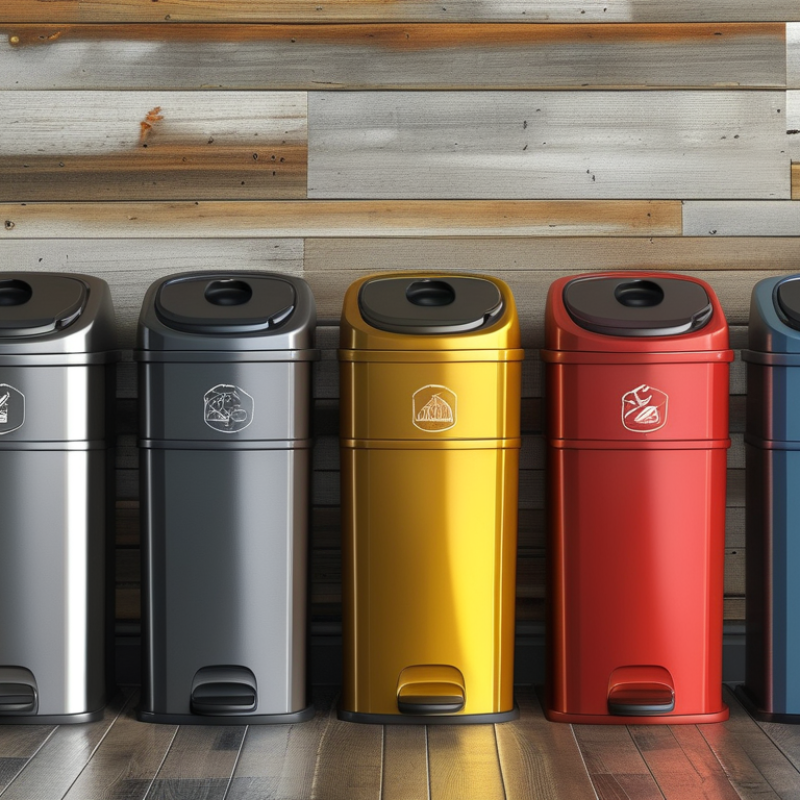
Next, think about the design. Metal waste receptacles come in different shapes and sizes. Aesthetically pleasing designs can enhance your business's image. Research shows that 45% of customers make judgments based on the cleanliness of facilities. Meanwhile, practical features like lid options and openings can influence their usability. For instance, foot-operated lids can minimize contact and maintain hygiene.
Also consider placement and capacity. A survey revealed that 60% of workplace litter results from insufficient receptacles. Positioning bins in high-traffic areas ensures they are used. Regularly assess waste levels to determine the right capacity for your needs. This proactive approach can lead to a cleaner environment. Monitoring bin usage can also provide insights for future improvements.
Different Types of Metal Waste Receptacles Available in the Market
When choosing metal waste receptacles for your business, it’s crucial to understand the various types available. The market offers a range of options, including industrial bins, decorative containers, and recycling units. According to a 2022 Waste Management report, businesses utilizing appropriate waste receptacles can improve waste sorting efficiency by up to 30%. This statistic highlights the importance of selecting the right type for your environment.
Industrial bins are designed for maximum durability. They withstand harsh conditions, making them suitable for factories and outdoor spaces. Decorative containers, on the other hand, blend functionality with aesthetics. They are ideal for parks and public spaces, enhancing the surroundings while managing waste effectively. Recycling units promote environmental responsibility. They cater to specific materials, such as plastics, glass, and metals, increasing recycling rates significantly. A 2023 survey indicated businesses with targeted recycling bins saw a 25% rise in material recovery.
Despite their advantages, some challenges exist. For instance, improper labeling of receptacles can confuse users. This miscommunication may lead to contamination in recycling streams. Additionally, the initial cost of quality metal receptacles can be high. Over time, however, the benefits often outweigh these upfront expenses. Balancing durability and cost effectively is a complex decision for many businesses.
Key Features of High-Quality Metal Waste Receptacles
When choosing metal waste receptacles for your business, consider durability as a key feature. High-quality metal materials can withstand harsh environments. They resist rust and corrosion, making them ideal for both indoor and outdoor use. Look for containers with a sturdy construction. Thin metal might bend or break easily.
Another important aspect is the design of the receptacle. A well-designed bin promotes proper waste disposal. Features like heavy-duty lids can help contain odors and discourage pests. Easy mobility is crucial too; wheels or handles make transportation effortless. While aesthetics matter, functionality should take precedence.
Finally, ensure that the receptacles are easy to clean. Smooth surfaces prevent grime buildup, making maintenance a breeze. Reflect on the placement of these bins as well. Understand the flow of foot traffic in your space. An effectively placed receptacle increases usage and minimizes clutter. Each of these factors plays a significant role in maintaining a clean and efficient environment.
Benefits of Using Metal Waste Receptacles in Commercial Settings
Metal waste receptacles are increasingly preferred in commercial settings due to their durability and sustainability. According to a study by the Environmental Protection Agency, metal waste bins can last up to 30 years. Unlike plastic, they resist harsh weather and impact damage, making them ideal for outdoor use. They retain their structure and appearance longer, reducing the need for frequent replacements.
Businesses benefit from using metal receptacles as they help improve waste management practices. A report from the Waste Management Institute indicates that proper waste disposal can reduce overall waste by 50%. Metal receptacles encourage recycling and promote a cleaner environment. Their visibility and sturdiness also deter littering, creating a more inviting space for customers.
While metal receptacles hold numerous advantages, they can pose challenges. The initial investment is often higher than plastic alternatives. Maintenance is also essential to prevent rust or corrosion. Regular inspections are crucial to ensure they remain functional. Being aware of these factors can lead to a more effective waste management strategy in commercial environments.
Maintenance Tips for Prolonging the Life of Metal Waste Receptacles
Maintaining metal waste receptacles is essential for extending their life. Regular cleaning prevents corrosion and maintains appearance. Industry reports indicate that improper maintenance can reduce lifespan by up to 30%. Regular inspections help catch rust early, allowing for timely repairs.
When cleaning, use mild detergents to avoid damaging the protective finish. Abrasive tools can scratch the surface, making it more vulnerable. Dust and debris buildup can lead to deterioration. A simple rinse with water can keep them looking new.
Consider the environment where the receptacles are placed. Exposure to harsh weather can accelerate wear. If located outdoors, choose materials designed to resist rust. A protective coating may be beneficial. Neglecting these tips can lead to higher replacement costs.
What is the Best Metal Waste Receptacles for Your Business? - Maintenance Tips for Prolonging the Life of Metal Waste Receptacles
| Feature | Description | Maintenance Tips | Estimated Lifespan |
| Corrosion Resistance | Durable coatings to prevent rusting and damage. | Regularly check for any signs of rust and treat immediately. | 5-10 years depending on environment. |
| Capacity | Variety of sizes to accommodate different waste volumes. | Ensure regular emptying to maintain optimal capacity. | 3-7 years. |
| Design | Variety of styles to suit business aesthetics. | Clean regularly to maintain appearance and hygiene. | 5-15 years based on care. |
| Mobility | Some models come with wheels for easy relocation. | Inspect wheels and fix any damages to ensure mobility. | 4-8 years generally. |
| Customization | Option for branding and color customization. | Maintain custom finishes by avoiding abrasive cleaners. | Depends on maintenance, around 5-10 years. |



 © Copyright 2020 Tianjin Tanghaidongyang Valve Co., Ltd. All Rights Reserved.