What Is the Best Glass Chamfering Machine in 2026?
Choosing the best Glass Chamfering Machine in 2026 requires more than comparing catalog prices. A machine may look impressive online, yet perform poorly beside a real production line. Glass thickness, edge shape, daily workload, and workshop space all influence the decision. A quiet motor matters when operators work eight-hour shifts. Consistent cooling matters when tiny edge chips can ruin an expensive panel.
This guide examines machines through practical experience, technical specifications, and dependable manufacturer evidence. It considers spindle accuracy, diamond wheel quality, water circulation, automation, safety controls, and maintenance access. Operators should inspect finished edges under bright light, not trust polished product photographs alone. A clean chamfer should feel smooth and appear even from corner to corner. Small variations often reveal weak alignment or unstable feeding.
There is no universal winner. A compact machine may suit a custom glass studio, while a high-output model fits architectural production. My initial preference might favor automation, but operator feedback can challenge that assumption. More features do not always mean better value. Some systems are difficult to calibrate, and replacement parts may take weeks to arrive. Reliable purchasing requires verified test results, clear warranty terms, responsive technical support, and realistic production trials. This article helps readers compare those factors honestly before investing in a Glass Chamfering Machine for 2026 and beyond.
What Is a Glass Chamfering Machine?
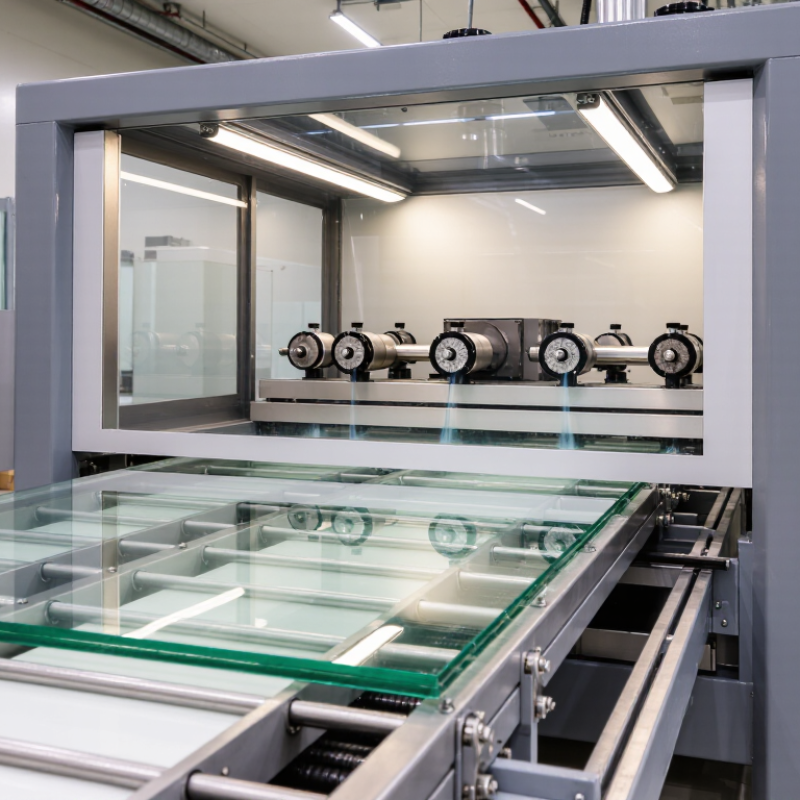
A glass chamfering machine is equipment that removes and polishes the sharp edge of cut glass. It creates a sloped border, called a chamfer, along one or more sides. This process improves handling safety and gives the panel a cleaner appearance. The machine usually combines glass support, edge-guiding systems, abrasive wheels, coolant, and polishing tools.
During operation, an operator places the glass on a stable conveyor or worktable. The machine then guides the panel past diamond grinding wheels. Coarser wheels shape the angle, while finer wheels smooth the surface. Water reduces heat and carries away glass dust. A well-adjusted machine should produce an even edge without chips, burn marks, or visible waves.
Small details matter. The glass thickness, chamfer width, angle, and feed speed must match the wheel settings. Poor alignment can leave one corner wider than another. That defect may look minor, but it becomes obvious under strong lighting. Maintenance also affects results. Worn wheels, dirty coolant, or loose guides can reduce accuracy quickly. Not every machine suits every workshop. A compact unit may fit limited production, while a heavier system handles thicker panels more consistently. The “best” choice in 2026 still depends on actual glass sizes, daily workload, operator skill, and required finish quality. Some specifications look impressive on paper. They may not solve practical problems.
Which Glass Chamfering Machine Fits Each Application?
What Is the Best Glass Chamfering Machine in 2026?
Which Glass Chamfering Machine Fits Each Application?
The best glass chamfering machine depends on the work, not its advertised speed. A small furniture workshop may need a compact straight-line unit. It should handle thin panels, repeatable angles, and quick wheel changes. Shower-door production demands cleaner edges, stable coolant flow, and reliable polishing. Architectural glass requires wider capacity and stronger spindle control. Large sheets can expose weaknesses quickly.
The U.S. Department of Energy reports that windows may account for 25–30% of residential heating and cooling energy use. This makes edge quality important for insulated and energy-efficient glazing. For these applications, choose a machine that supports consistent chamfer widths, low vibration, and accurate thickness adjustment. A CNC system suits varied shapes and low-volume custom work. A dedicated production line fits repeated dimensions better. Faster is not always better.
Industry data also shows continued expansion in flat-glass demand. Fortune Business Insights projects the global flat glass market to grow from about US$122.5 billion in 2023 to US$166.4 billion by 2032. That growth may pressure processors to improve output without sacrificing finish quality. In practice, I would test the machine with real glass, including coated or laminated samples. Catalog specifications can be incomplete. A machine may claim high precision, yet poor coolant control can leave cloudy edges, chipped corners, or excessive rework. The overlooked detail is service access. If operators cannot replace wheels safely and quickly, productivity falls.
How to Select, Operate, and Maintain the Best Machine
Choosing the best glass chamfering machine in 2026 starts with the workpiece, not the showroom display. Check the glass thickness range, chamfer angle, edge finish, and daily production volume. A rigid frame reduces vibration, while adjustable guides help maintain consistent dimensions. Water cooling is valuable because it limits heat, chips, and surface stress. Ask for sample results using your actual glass. Catalog claims can look better than workshop reality.
Operation should begin with clean glass and correctly aligned supports. Set the feed rate conservatively, especially on thin or laminated panels. Keep hands away from the cutting zone, and use suitable eye, hearing, and splash protection. Watch the edge during the first pass. Cloudy marks, uneven width, or small corner chips usually indicate poor alignment, worn tooling, or excessive pressure. Short test runs save material. They also expose weaknesses.
Maintenance needs a written routine. Flush the cooling circuit, remove glass sludge, inspect belts, and check guide rollers every shift. Measure tool wear instead of relying only on appearance. Lubricate approved moving points, but keep oil away from glass-contact surfaces. Record defects, settings, and repairs; these notes improve troubleshooting over time. A machine may be powerful yet unsuitable for your workflow. That is easy to overlook. Recheck the setup after changing glass thickness, because yesterday’s successful setting may fail today.



 © Copyright 2020 Tianjin Tanghaidongyang Valve Co., Ltd. All Rights Reserved.