Best CNC Router Cutting Machines for Global Buyers?
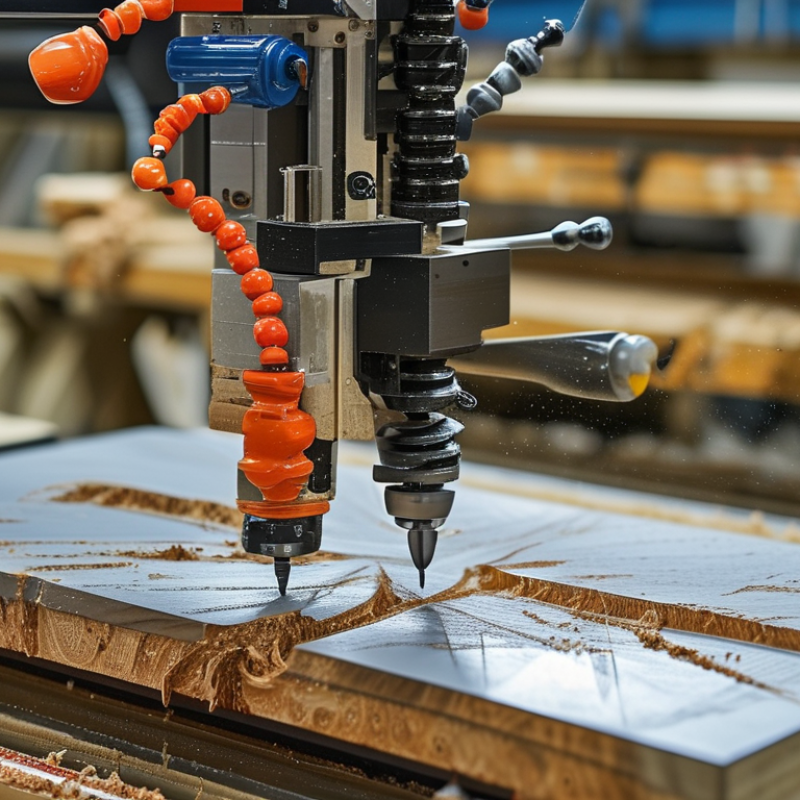
In the world of woodworking and manufacturing, the "CNC Router Cutting Machine" stands as a vital tool. These machines offer precision, efficiency, and versatility for global buyers. Yet, the market is flooded with options, making the selection process daunting for many.
When looking for the best CNC router cutting machines, buyers must consider quality and reliability. Brands vary greatly, and not every machine lives up to its promises. Users often share mixed experiences, revealing that some machines may underperform or lack essential features.
Understanding the specific needs of your projects is crucial. A machine suited for hobbyists might not meet the demands of a commercial workshop. As the industry evolves, staying informed about technological advancements becomes imperative for making an educated choice.
Top Features to Consider in CNC Router Cutting Machines
When selecting a CNC router cutting machine, buyers should prioritize key features that ensure optimal performance. One crucial aspect is spindle power, which directly affects cutting efficiency. For instance, machines with higher spindle power, typically over 3 kW, can handle tougher materials like hardwood and composites more effectively. According to a recent industry report, machines in this power range show a 30% increase in productivity compared to lower-powered options.
Precision is another vital consideration. Look for machines that offer high-resolution movement, ideally with repeatability under 0.01 mm. This precision not only enhances the quality of the finished product but also minimizes material wastage—a critical factor in cost management. Market data indicates that CNC routers with advanced linear guides can improve accuracy by up to 15%.
Software compatibility is often overlooked. Flexible software support allows for easy integration with design tools. The CNC industry has seen a 20% growth in software capabilities over the last five years. However, many buyers still struggle with outdated software, which limits machine potential. Investing in modern solutions can significantly enhance workflow efficiencies.
Different Types of CNC Routers Available for Global Markets
CNC routers are essential tools in various industries. They come in different types, tailored to specific applications. The increasing demand for automated solutions drives the growth of CNC router technologies. According to a market research report, the global CNC machine market is expected to reach $100 billion by 2025, primarily due to advancements in manufacturing processes.
One common type of CNC router is the flatbed CNC router. It is versatile for materials like wood, plastic, and metal. Many businesses favor this model due to its ability to handle large sheets. The spindle type plays a critical role, affecting precision and speed. However, the complexity of setup and operation can be a hurdle for some users. Additionally, there are also specific CNC routers designed for intricate carvings or 3D applications, catering to artisans and craftsmen.
Another emerging type is the portable CNC router. Ideal for small workshops, it offers mobility and flexibility. Despite its advantages, it often lacks the cutting capacity of larger models. Users may find accuracy varies with material thickness. Trends indicate a shift towards smart CNC routers equipped with IoT capabilities, enhancing productivity. However, the initial investment and learning curve remain challenges for many potential buyers. Inspecting these features and understanding their limitations is essential for making informed decisions.
Key Manufacturers of CNC Router Cutting Machines Worldwide
CNC router cutting machines are transforming manufacturing worldwide. These machines ensure precision and efficiency in various industries. Key manufacturers play a vital role in this evolution. They invest in technology that meets diverse customer needs.
Many manufacturers have a reputation for producing reliable equipment. However, some face challenges in keeping up with technological advancements. Others struggle with quality control, affecting customer satisfaction. Buyers must consider these factors when choosing suppliers.
Researching manufacturers can be complex. It’s essential to analyze their track records and innovation. Customers often seek reviews and feedback from existing users. Not all companies provide transparent information. This lack of clarity can lead to poor decisions. Being informed is crucial for making the best choice in CNC machinery.
Comparison of CNC Router Prices: Budget vs. High-End Models
When comparing CNC router prices, it's crucial to understand the distinctions between budget and high-end models. Budget CNC routers typically cost less, making them appealing for beginners. These machines may lack advanced features but can still handle basic projects effectively. For instance, a budget model might suffice for straightforward wood carving and hobbyist work, providing an excellent entry point into CNC machining. However, users may find limitations in speed and precision.
High-end CNC routers, on the other hand, cater to professional needs. They offer superior build quality and advanced capabilities. These machines excel in high-volume production and intricate design work. While their price tags are significantly higher, these routers provide enhanced durability and performance. Users can expect faster cutting speeds and the ability to work with diverse materials, including metal. However, investing in high-end equipment comes with a learning curve that can challenge less experienced operators.
Choosing the right CNC router requires careful consideration. Buyers need to evaluate their specific requirements. It's essential to weigh the immediate needs against future aspirations. A budget model might work for simpler tasks now but could limit growth later. Conversely, opting for a high-end machine may seem daunting due to cost and complexity. Users must reflect on their long-term goals to decide what fits.
Maintenance and Support: Ensuring Longevity of CNC Routers
When investing in CNC routers, maintenance and support play vital roles in ensuring their longevity. According to industry reports, regular maintenance can enhance machine performance by up to 30%. This includes routine inspections and timely replacements of worn-out parts. Keeping machines clean and lubricated is essential to prevent unnecessary wear and tear, which can lead to costly downtimes.
Tip: Schedule a monthly inspection. This can catch potential issues early. Simple actions like tightening loose screws can make a big difference.
It's worth noting that many buyers overlook training. A skilled operator can significantly reduce equipment strain. Inadequate training can lead to improper usage, resulting in machine malfunctions. A study found that nearly 40% of CNC router failures are linked to operator error. Investing in comprehensive training programs is crucial.
Tip: Document maintenance activities. This creates a reliable history. It can also help identify patterns of recurring issues, aiding future troubleshooting. Regular maintenance and proper training can transform CNC router performance, making it a worthwhile strategy for any buyer.



 © Copyright 2020 Tianjin Tanghaidongyang Valve Co., Ltd. All Rights Reserved.