When choosing among shorts legging printer suppliers, compare the printing method before comparing prices. The fabric decides the result. Most leggings use polyester, elastane, or a blend, and each material reacts differently to heat, ink, and stretching.
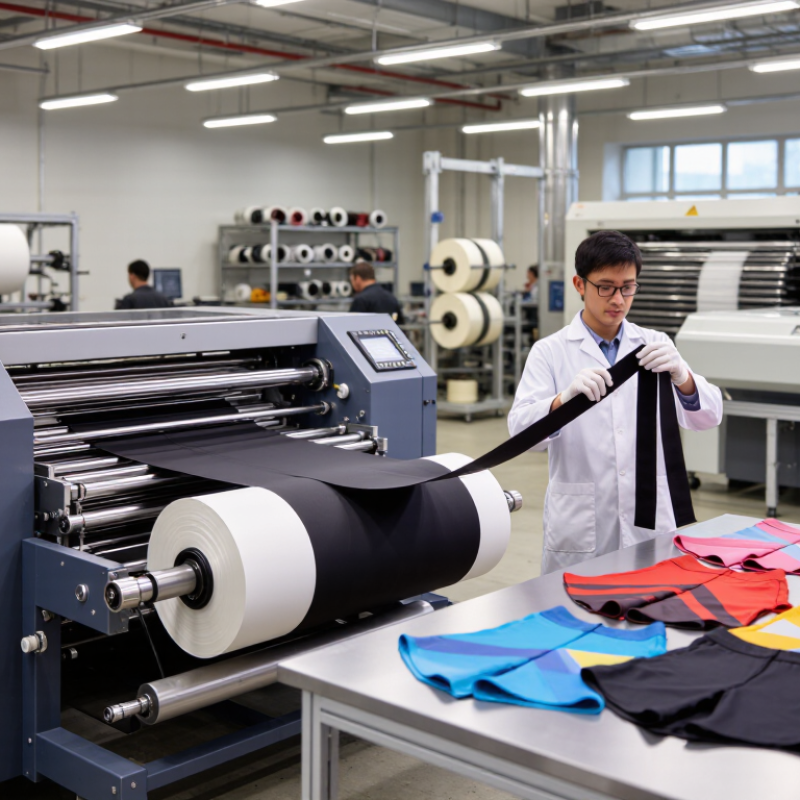
Sublimation usually suits polyester leggings best. The dye becomes part of the fibers, creating bright colors without a heavy surface layer. It also handles four-way stretch well. White or light fabric is required, however. Dark polyester cannot be changed easily with standard sublimation.
In production trials, check the print after stretching it across the thigh area. Faded edges can appear there first.
DTF transfers printed ink from a film onto the garment. This method works across more fabric types, including some cotton blends, and supports small orders. A properly cured stretch adhesive is essential. Otherwise, the design may crack after repeated washing. The surface can also feel slightly rubbery.
DTG prints directly onto fabric and can produce detailed artwork, but it generally performs better on cotton than on shiny synthetic leggings. Pretreatment may leave uneven areas if the supplier lacks process control.
Ask suppliers for actual fabric swatches, not only digital mockups. Test seam areas, waistband tension, color rubbing, and at least several wash cycles.
I once trusted a vivid sample too quickly; the colors looked excellent but weakened after stretching. That mistake still matters. A dependable supplier should explain ink selection, curing temperature, fabric composition, and quality checks clearly.



 © Copyright 2020 Tianjin Tanghaidongyang Valve Co., Ltd. All Rights Reserved.