Selecting POY spinning line wisely starts with your product plan, not a supplier’s sales brochure. Define polymer type, denier range, daily output, winding speed, and future expansion needs. A line designed for 120 tons monthly may perform poorly at 300 tons. Ask for verified production records from comparable factories. Request energy use per kilogram, not only installed motor capacity. Small details matter.
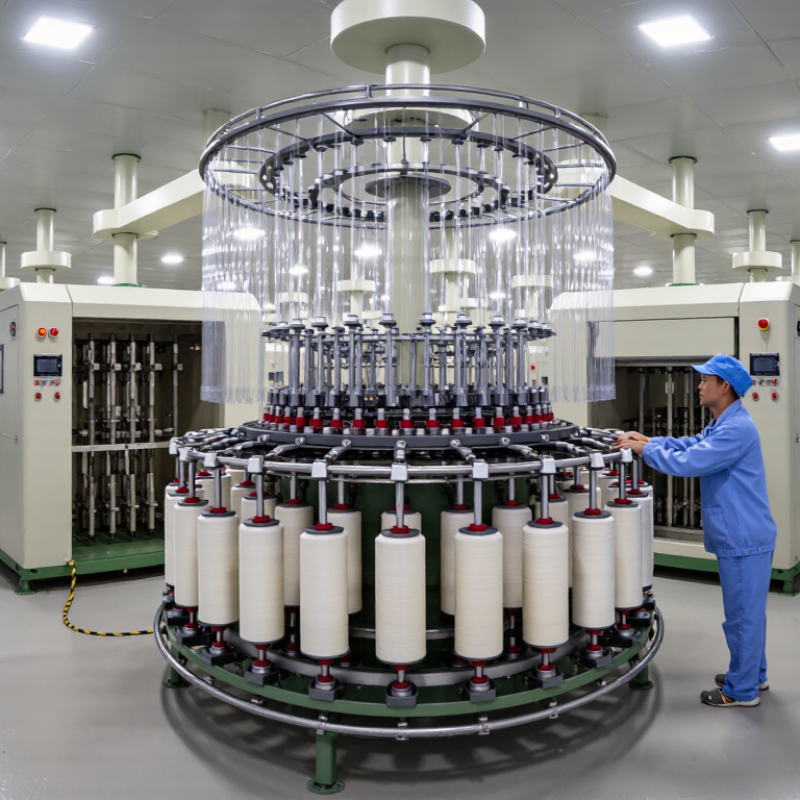
Inspect the complete process route, including dryers, extruders, metering pumps, spinning beams, cooling systems, interlacing units, and winders. Check temperature stability during a long trial. Examine package hardness, yarn uniformity, waste rate, and doffing time. Require a factory acceptance test with agreed measurement methods. Vague promises create expensive arguments later. Very expensive ones.
Supplier evaluation should include engineering experience, spare-parts availability, operator training, software support, and maintenance response times. Speak with existing users, preferably in climates and production conditions similar to yours. Review the warranty line by line. Confirm which components are covered and how quickly replacements can arrive. A lower purchase price can hide higher downtime costs.
Plan the foundation, utilities, ventilation, compressed air, cooling water, and workshop access before signing. Include installation supervision and performance testing in the contract. One practical mistake deserves attention: buyers often calculate output but overlook warehouse space for finished packages. That oversight can delay production. Leave room for improvement, because actual yarn demand may not match the original forecast.



 © Copyright 2020 Tianjin Tanghaidongyang Valve Co., Ltd. All Rights Reserved.