2026 Best 90° Peel Strength Tester Buying Guide
Key Testing Standards and Performance Specifications to Compare
A reliable 90° peel strength tester should match the exact test method, material, and failure mode. ASTM D6862 and ISO 8510-1 are useful references for many adhesive peel evaluations. However, their specimen designs and reporting requirements differ. Check the latest standard before purchasing. A 180° peel procedure cannot replace a 90° method.
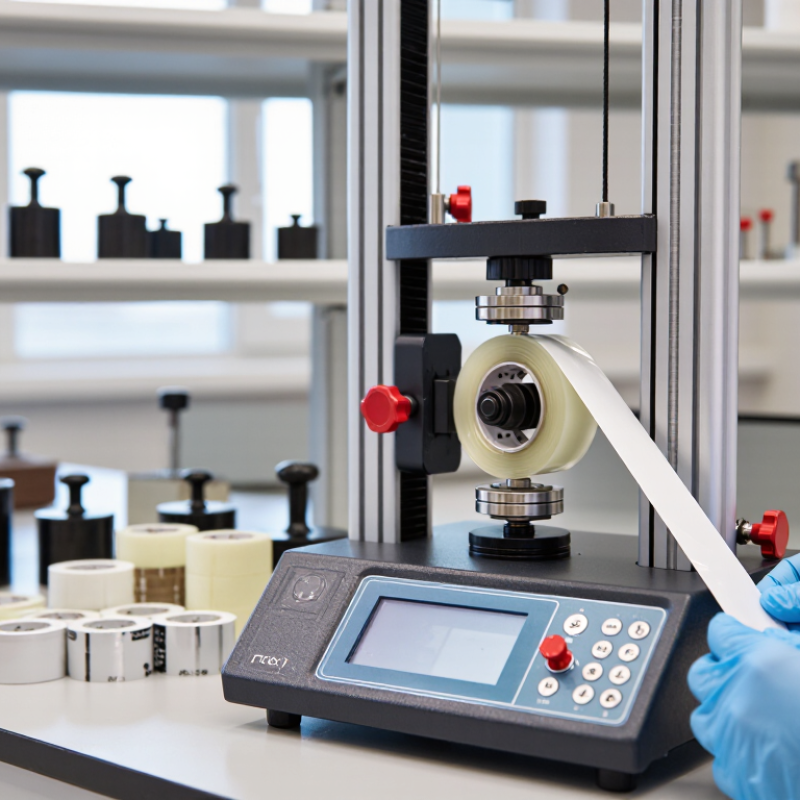
Angle matters. The fixture should maintain a stable 90° direction throughout the test. Even slight alignment errors can change the measured force. Look for a rigid frame, adjustable clamps, and a low-friction peeling mechanism. The load cell should suit your expected force range, not merely provide the highest capacity. Excessive capacity may reduce measurement sensitivity. A practical system should offer calibrated accuracy, clear force resolution, and a controlled test speed. Data sampling must capture sharp peaks without creating artificial noise.
In production testing, I also examine specimen width, grip compatibility, and environmental control. Temperature and humidity can soften adhesives or make flexible films brittle. Confirm whether the tester supports conditioning requirements from your selected standard. Software should record average peel force, peak force, distance, and failure observations. Exportable raw data improves traceability. Small details matter. I once underestimated clamp alignment, and repeatability suffered. No tester is perfect. Operators still need training, regular calibration, and honest review of unusual results.



 © Copyright 2020 Tianjin Tanghaidongyang Valve Co., Ltd. All Rights Reserved.